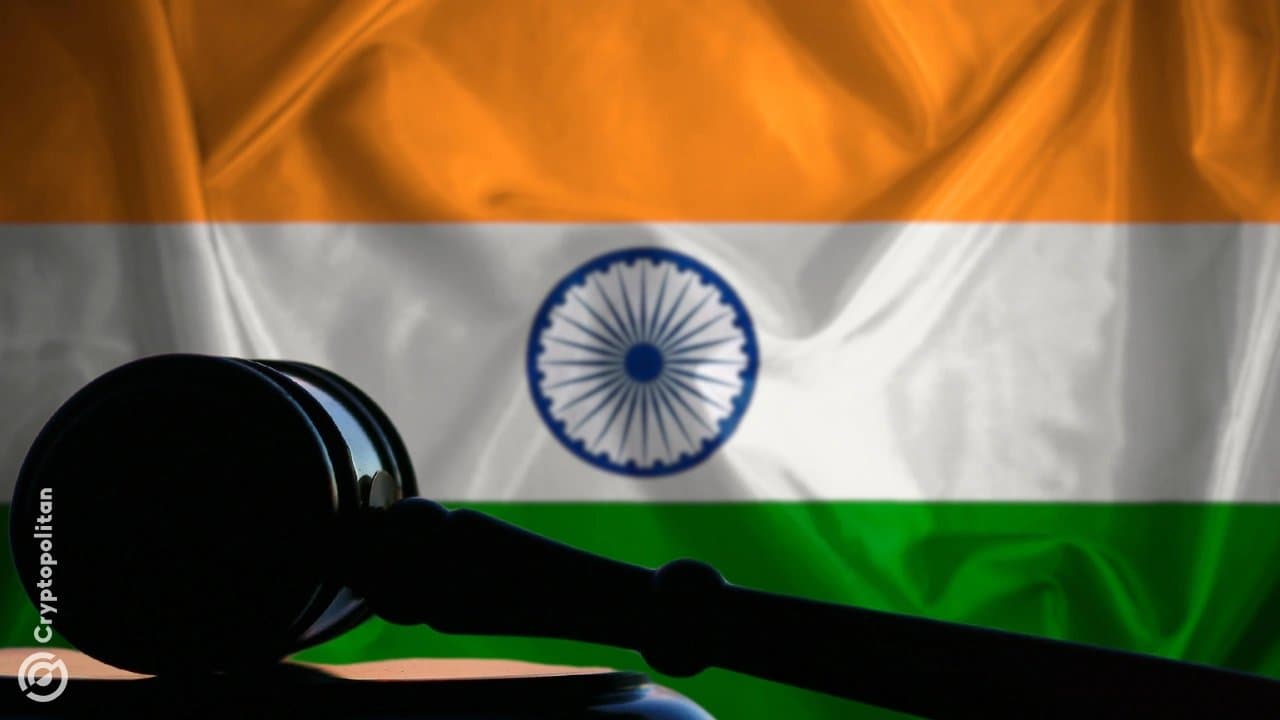
The Hyderabad cybercrime unit named Meta India's chief, Arun Srinivas, in a criminal case linked to digitally manipulated images and AI-generated content targeting Prime Minister Narendra Modi. This comes after a wave of protests related to NEET, during which inflammatory posts spread rapidly on Facebook and Instagram.
The complaint stems from reports by a local BJP activist and a businessman, who flagged obscene and misleading content aimed at Modi. Law enforcement holds Meta’s local leadership accountable, signaling a shift in how platform executives may be treated for user-generated content.
Implications for Content Moderation and Platform Accountability
The investigation highlights India’s tough stance on regulating digital speech. In 2025, the government stretched its content moderation rules, reducing the timeframe for platforms to act on takedown orders from 36 hours to just three, tightening controls over influencers and podcasters as well. This case reflects ongoing tensions with global tech firms, similar to India’s prior legal battles with Musk’s X platform over content regulation.
The Modi administration's approach raises questions about the boundary between user freedom and platform responsibility, especially as AI tools make digital alterations easier and harder to track. The case could set legal precedents that extend beyond India and affect how multinational social media companies manage politically sensitive material.
This is informational content and not financial advice.