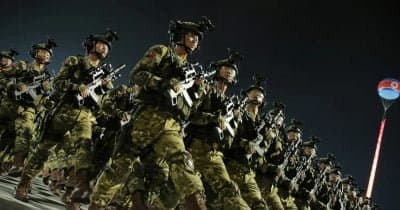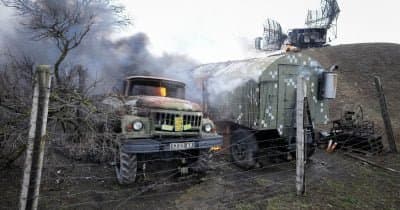
The Islamic Revolutionary Guard Corps (IRGC) has sharply escalated its rhetoric, labeling countries allied with the United States, particularly the United Kingdom and Gulf states, as "legitimate targets" should they back U.S. military actions. This warning arrives against a backdrop of intensified military maneuvers and rising regional instability, signaling a potential widening of conflict zones in the Middle East.
Expanded Target List Fuels Regional Anxiety
The IRGC’s recent threat specifically calls out nations hosting U.S. military assets, including the use of UK airfields by American B-1 bombers. By explicitly naming the UK alongside Gulf allies, Tehran signals a broader scope of retaliation beyond direct U.S. forces. This development elevates the risk profile for regional infrastructure and civilian areas, as Iran appears ready to extend its response to any support for American military operations.
Market and Diplomatic Reactions Highlight Growing Volatility
Markets have swiftly priced in the increased probability of military clashes in the Gulf, reflecting concerns over the IRGC’s aggressive stance. Diplomatic efforts remain fragile, with key players like Qatar and Oman attempting to mediate tensions that have persisted through reciprocal strikes. key moments are expected around late July, with observers watching for movements from Iranian leadership figures Ebrahim Raisi and Hossein Salami, as well as shifts in Gulf states’ military readiness or diplomatic engagements.