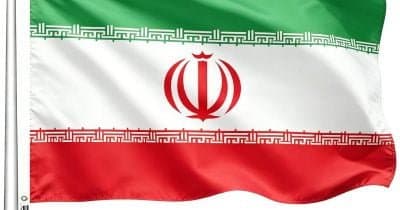
Iran’s top diplomat Gharibabadi recently made it clear that Tehran does not see direct negotiations with the United States as an immediate priority. Instead, Iran is watching the situation through Oman, a longtime trusted intermediary in US-Iran relations. Earlier this year, tensions between the two countries surged into open military conflict, making any face-to-face talks unlikely for now.
Oman has a long history of quietly facilitating backchannel communications. It helped pave the way for the 2015 nuclear agreement and remains the go-to mediator when official dialogue stalls. This shift means Iran prefers indirect diplomacy over direct engagement with Washington at this moment.
Market odds reflect this evolving reality. The chance of a US-Iran meeting before the end of July has shrunk sharply from 10% down to just 3%. Similarly, the likelihood of a final nuclear deal by mid-August is low, hanging at a mere 2%. This drop shows investors and analysts adjusting expectations after Gharibabadi’s statement.
All eyes are now on Oman’s diplomatic moves. Any progress coming through this channel could signal whether these indirect conversations might lay groundwork for formal talks in the future. Meanwhile, official statements from either country’s foreign ministry will be key signals about their next steps. Markets will react swiftly to any sign of change or renewed tensions.
This article is for informational purposes and does not constitute financial advice.