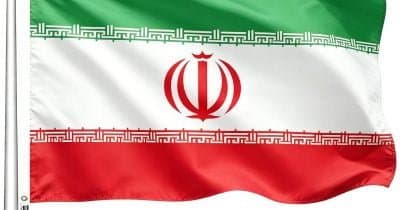
On July 29, 2026, Iran firmly denied reports that it is seeking direct talks with the United States. Instead, Tehran emphasized its grip on the Strait of Hormuz, a vital artery for global oil transportation.
This stance comes amid ongoing military and diplomatic tensions involving the US, Iran, and Israel that have persisted throughout 2026. Iran’s control of the waterway serves as a strategic lever in this escalating geopolitical standoff.
Market reactions to these developments show a sharp decline in the odds of the US lifting its blockade of Iran by the July 31 deadline, dropping to just 6.5 percent. The likelihood of a swift diplomatic solution now seems remote.
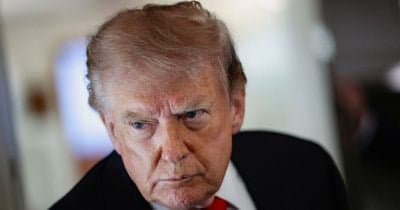
Attention remains on statements from US officials, especially from President Trump and the US Central Command. Any shift in enforcement of the blockade or new diplomatic overtures could change the current standoff. Likewise, Iran’s next moves regarding passage restrictions could tilt market expectations further.
These dynamics impact not only political calculations but also energy markets, as the Strait of Hormuz handles roughly 20 percent of global oil shipments. Any disruption here has broad consequences.
This material is for informational purposes and does not constitute financial advice.