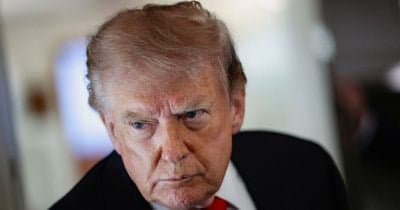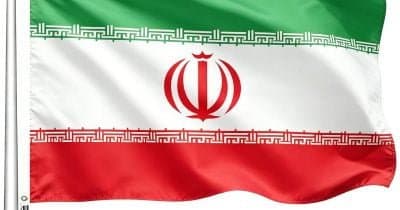
Talks to resolve the ongoing tensions between Iran and the United States remain deadlocked, with Iran placing the blame squarely on the US approach. Iranian Foreign Minister Abbas Araghchi, involved in discussions mediated by Pakistan, highlighted that the main barrier is not the mediation efforts, but the stance taken by Washington.
This comes as the conflict in 2026 continues to escalate, involving both military confrontations and complex diplomatic maneuvers. Pakistan and Qatar have taken on roles as intermediaries, attempting to pass proposals between the two sides, yet progress stalls amidst entrenched positions.
Diplomatic Deadlock and Market Impact
Araghchi’s comments suggest that the possibility of a breakthrough is slim in the near term. Market predictions reflect this skepticism, with only about a 2.3% chance currently priced in for a final US-Iran nuclear deal by mid-August 2026. The prolonged impasse adds to uncertainty in the region and among global observers.
Attention now turns to statements from key figures, including US President Donald Trump and Iran’s Supreme Leader Ayatollah Khamenei, which might hint at future shifts. Meanwhile, the efforts of mediators like Pakistan and Qatar will be closely watched for any signs of thaw or further stalemate.
The ongoing tension mirrors other regional conflicts with geopolitical ramifications, similar to recent security challenges faced by neighboring states.