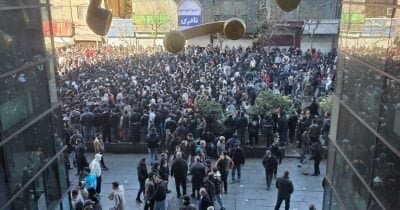
Iran executed Arvin Khahreh in Shahrud amid growing nationwide protests that started in December 2025. This harsh move highlights the regime’s mounting fear of its own population and ongoing struggles to suppress dissent.
The government’s crackdown has intensified with live ammunition, mass arrests, and executions like Khahreh’s, signaling a desperate attempt to intimidate protesters. Markets are reacting to this turmoil: prediction markets now assign a 22.5% chance that Iran will see a leadership change before the end of 2026. The risk of a power vacuum or no head of state by year’s end stands at 7.8%.
Market Signals Reflect Political Uncertainty
These figures suggest investors are pricing in substantial instability within Iran’s ruling structure. The Islamic Revolutionary Guard Corps’ response and statements from opposition leaders, such as Reza Pahlavi, will be closely watched for clues to how the situation might evolve. International reactions could also sway market sentiment further.
The regime’s reliance on violent crackdowns, including executions, may backfire by deepening unrest and raising the odds of a leadership shakeup or even collapse. This volatility has implications beyond politics, potentially affecting regional stability and global markets.
This content is for informational purposes and does not constitute financial advice.