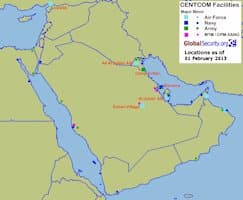
CENTCOM has developed a detailed two-week bombing strategy targeting Iran, but the absence of U.S. aircraft carriers near the Persian Gulf raises questions about how soon this plan could be put into action. While previous deployments included the USS Abraham Lincoln and USS George H.W. Bush, their current positions are unclear, suggesting a cautious stance by the U.S. military.
This ambiguity in naval deployment reduces the immediacy of any potential military escalation. Analysts point out that without close carrier-based air support, the feasibility of launching extensive airstrikes diminishes significantly. The situation is further complicated by Iran's ongoing efforts to assert control over its airspace, though prediction markets currently assign a low chance to a complete Iranian airspace shutdown.
Observers will be closely watching shifts in U.S. carrier movements, which might signal a change in Washington's approach. Meanwhile, any official statements from U.S. defense officials or Tehran's response regarding airspace management will be vital indicators of the region's stability. This development follows broader tensions highlighted recently, including President Trump's authorization of another military strike on Iran as tensions escalate.
This content is for informational purposes and does not constitute financial advice.