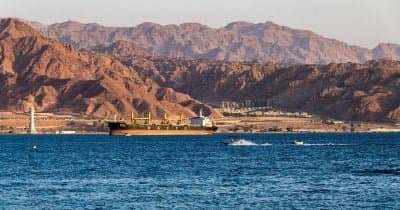
Arsenio Dominguez, leader of the International Maritime Organization, sharply criticized recent assaults targeting vessels in the Red Sea. These attacks, tied to escalating tensions involving Yemen’s Houthi forces, have put seafarers and vital global supply routes at significant risk.
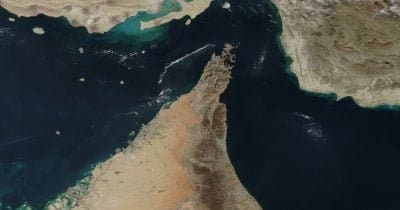
The Red Sea and Gulf of Aden have become hotspots of instability, raising fears about the safety of international shipping lanes. The Bab el-Mandeb Strait, a key chokepoint connecting the Red Sea to the Gulf of Aden, faces potential disruptions that could ripple through global trade networks. Market responses suggest growing apprehension about possible strait closures in the upcoming months.
Shipping operators and insurers are increasingly wary, reflecting the IMO chief’s condemnation and the unpredictability of the situation. The threat to maritime traffic stems from ongoing conflict and heightened military activity in the region.
What Comes Next
Attention now turns to any further actions by the Houthi movement, especially those targeting commercial shipping within this narrow passage. International responses, including efforts by the US Navy and UN interventions, will be critical in shaping outcomes and market confidence.
Insurance coverage adjustments for voyages through the Red Sea will be closely watched as an indicator of how risk assessments evolve. These developments could either escalate tensions or provide some relief for maritime operations.
Recent concerns echo broader energy market unrest, similar to trends seen with the surge in Brent crude prices amid tanker attacks. Such dynamics shows how regional conflicts continue to influence global commerce and resource flows.