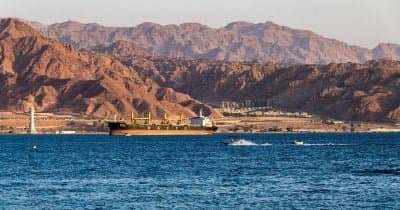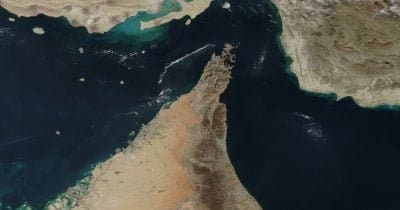
Only six vessels passed through the Strait of Hormuz on Thursday, marking a sharp 60% plunge compared to the previous day, according to maritime tracker Kpler. This sharp drop unfolds amid escalating tensions between the United States and Iran, spotlighting the strait's vulnerability as a maritime chokepoint vital for energy exports.
Regional Disruptions Extend to Bab al-Mandeb Strait
The decline isn't isolated. Traffic through the Bab al-Mandeb Strait, another strategic passage affected by instability in the Middle East, has also dwindled. Both straits are key for global oil and goods transport, and their reduced activity signals ongoing risks rather than recovery.
Market Cautious on Timeline for Normalization
Current market data suggest traders are skeptical about a swift return to normal shipping flows through Hormuz before the end of September. Observers keep a close eye on diplomatic moves, especially any announcements from Iranian or U.S. officials that might hint at easing tensions. A steady uptick in maritime crossings, as tracked by intelligence firms like Kpler, would be the clearest sign of de-escalation. Until then, threats and attacks could prolong the disruption.