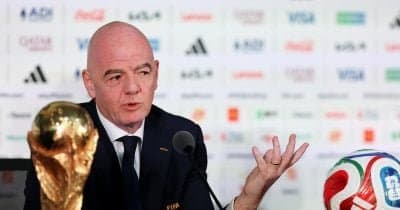
"This was a gamble that didn’t pay off," a UEFA official said after the rapid collapse of FIFA’s attempt to privatize part of the World Cup’s commercial rights. Gianni Infantino had unveiled a plan to create FIFA Forward Enterprises (FFE), aiming to raise $4.2 billion by selling a 20-21% stake to private equity, with Thrive Capital leading the charge. The plan promised national associations instant cash payouts of $20 million each, a tempting offer for many smaller football federations.
However, within 48 hours, the deal unraveled amid fierce opposition from UEFA’s 55 member nations who threatened a boycott of FIFA events. The idea of trading away a significant slice of the World Cup’s lucrative business to private investors raised alarms, especially among European leagues that feared losing influence over football’s biggest spectacle. CONCACAF also voiced strong resistance, prompting Infantino to scrap the entire proposal on July 31.
The core issue extends beyond money. Selling a sizeable stake in the World Cup’s commercial rights to private equity shifts control away from federations that rely heavily on the tournament’s revenue. Smaller associations faced the difficult choice of accepting a one-time payout at the expense of long-term commercial sovereignty. Meanwhile, larger federations worried the structure favored investors over domestic football interests. This clash highlights deep governance tensions within global football.
Calls for Infantino’s resignation are growing louder. UEFA has declared a "loss of confidence" in his leadership, demanding a thorough review. Critics like Spanish federation president Javier Tebas and UK politician Andy Burnham have also stepped forward, raising questions about the president’s judgment. The fallout exposes vulnerabilities at the heart of FIFA’s strategy and raises uncertainty about the future direction of football’s most powerful organization.
This article is for informational purposes and does not constitute financial advice.