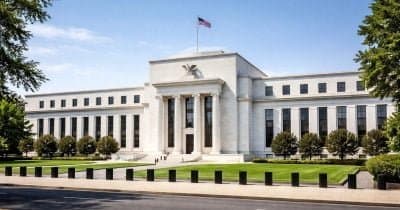
The Federal Reserve’s choice to hold interest rates steady at 3.5% to 3.75% on July 29 caught some by surprise despite the growing pressure from inflation. Three Fed regional presidents openly opposed the decision, warning that inertia risks embedding higher prices further into the economy.
Fed officials divided over the path forward
Beth Hammack of Cleveland, Neel Kashkari from Minneapolis, and Lorie Logan of Dallas each favored a quarter-point rate hike, breaking ranks with the majority in the Federal Open Market Committee's 9-3 vote. Their main concern: inflation has stubbornly stayed above the 2% target for over five years, a rare and troubling stretch that challenges the Fed’s credibility.
Adding to the complexity are global geopolitical disruptions, especially tension in the Middle East, which threaten energy supplies and push inflation even higher. Despite this, Chair Kevin Warsh, now in his first full term, agreed with holding steady, citing the recent three rate cuts in late 2025 and early 2026 aimed at balancing growth and inflation risks.
Implications for crypto markets amid Fed uncertainty
After the announcement, risk assets found a moment of relief. Bitcoin edged up about 1% to near $64,250, Ethereum followed with a similar gain reaching $1,915, and XRP outpaced them both with a 3% jump to roughly $1.08. Yet, uncertainty looms large. When inflation reports exceed expectations, hopes for near-term rate cuts fade, removing a key argument that supported crypto rallies in previous cycles.
The upcoming September FOMC meeting has traders on alert. Should inflation continue surprising on the upside, the dissenting Fed voices stand to gain influence, pushing markets to anticipate higher rates. Conversely, a cooling inflation trend could revive talks of easing, which historically benefits Bitcoin and other risk assets.
Bitcoin's recent volatility amid Fed decisions reflects how deeply intertwined macro policy and crypto sentiment are in these volatile times.
The rarely discussed chronic inflation challenge
Five years above the inflation target is not just a statistical anomaly; it poses serious questions about the effectiveness of traditional monetary tools. Persistent inflation erodes purchasing power and reshapes spending habits, which can ripple through markets for years.
As the Fed navigates this prolonged inflation environment, markets remain sensitive to its moves and signals. The split vote and discord among Fed officials suggest there is no consensus on how long patience can last when price pressures refuse to relent.
This material is for informational purposes and does not constitute financial advice.