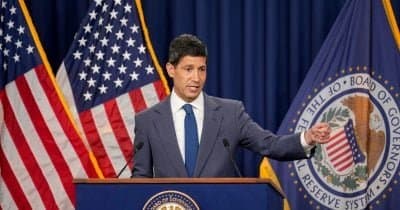
Inflation cooled to its lowest point in years, signaling a shift in the economic landscape as the Federal Reserve, led by Kevin Warsh, comes under mounting pressure to clarify its stance. July's data showed a core Consumer Price Index (CPI) increase that didn't quite match some of the underlying inflation signals, adding complexity to the Fed's challenge.
While the headline Personal Consumption Expenditures (PCE) inflation rate remains elevated at 4.1%, the Dallas Fed’s trimmed mean PCE inflation, which strips out volatile items to reveal core trends, recorded a more modest 2.4% rise over the past year. This gap suggests that swings in categories like energy and food continue to distort the overall inflation picture. Market participants are grappling with these mixed signals as they anticipate the Bureau of Labor Statistics' upcoming Core CPI report for July, scheduled for August 12, 2026.
Fed’s Tightrope Walk
Kevin Warsh’s Federal Reserve faces a tricky balancing act: responding to stubborn headline inflation while considering subdued core inflation trends that complicate the narrative. The market currently prices in a 0.2% uptick in Core CPI for July, with a 35.7% probability of this outcome, highlighting cautious optimism among investors. Any unexpected movement in key components like shelter or energy prices could quickly sway market expectations and influence the Fed’s next steps.
The inflation tug-of-war plays out against a broader backdrop of global economic uncertainty. For example, recent shifts in commodity prices and geopolitical tensions could add volatility to inflation readings. The Fed’s decisions in the coming weeks will be closely scrutinized, especially as Jerome Powell’s statements and policy signals might reshape investor confidence.
This content is for informational purposes only and does not constitute financial advice.