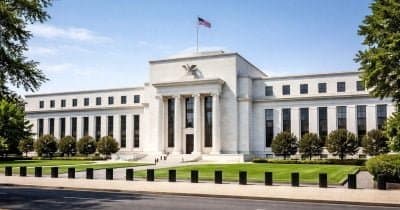
The Federal Reserve is heading into its July 28-29 meeting amid intense internal debate, with officials divided on how to tackle lingering inflation pressures. The federal funds rate has stayed at 3.50% to 3.75% all year, but now the future path feels uncertain like never before.
Minutes from June’s meeting revealed what insiders called a “family fight” on the committee, splitting members between those pushing for hikes due to persistent inflation and others preferring caution given mixed economic signals. Kevin Warsh, the new Fed Chair, has kept his cards close to his chest since taking the helm earlier this year, offering no clues about the upcoming policy move.
Market Uncertainty and Global Factors
Futures markets point to about a 33% chance of a rate increase this week a notable shift given the Fed’s prolonged pause. Traders are clearly torn, mirroring the Fed’s internal discord. Complicating matters, rising oil prices triggered by Middle Eastern tensions add inflationary risks that the central bank alone can’t easily control.
This geopolitical backdrop only fuels the debate. Some Fed officials worry inflation is stubborn, while others urge patience, citing the complex mix of domestic and international challenges facing the economy.
For crypto investors, the stakes go beyond the headline rate decision. How the Fed’s so-called “family fight” resolves will shape market sentiment, especially regarding the tone set in the dot plot forecasts and the Chair’s press remarks. After all, a unanimous hold differs greatly from one marked by dissenting calls for hikes.
Bitcoin, for example, has been caught in a wide range between $60,000 and $94,000 for months, down significantly from its $126,000 peak in late 2025. Following hawkish signals at the June meeting, Bitcoin dipped below $64,000 and crypto ETFs recorded notable outflows. Watching ETF flows after this meeting could offer early insight into institutional reactions.
External pressures are also reshaping energy markets, as tension in the Strait of Hormuz drives shifts toward domestic suppliers, adding layers of uncertainty to inflation and economic growth Energy Buyers Shift to Domestic Sources Amid Strait of Hormuz Tensions.