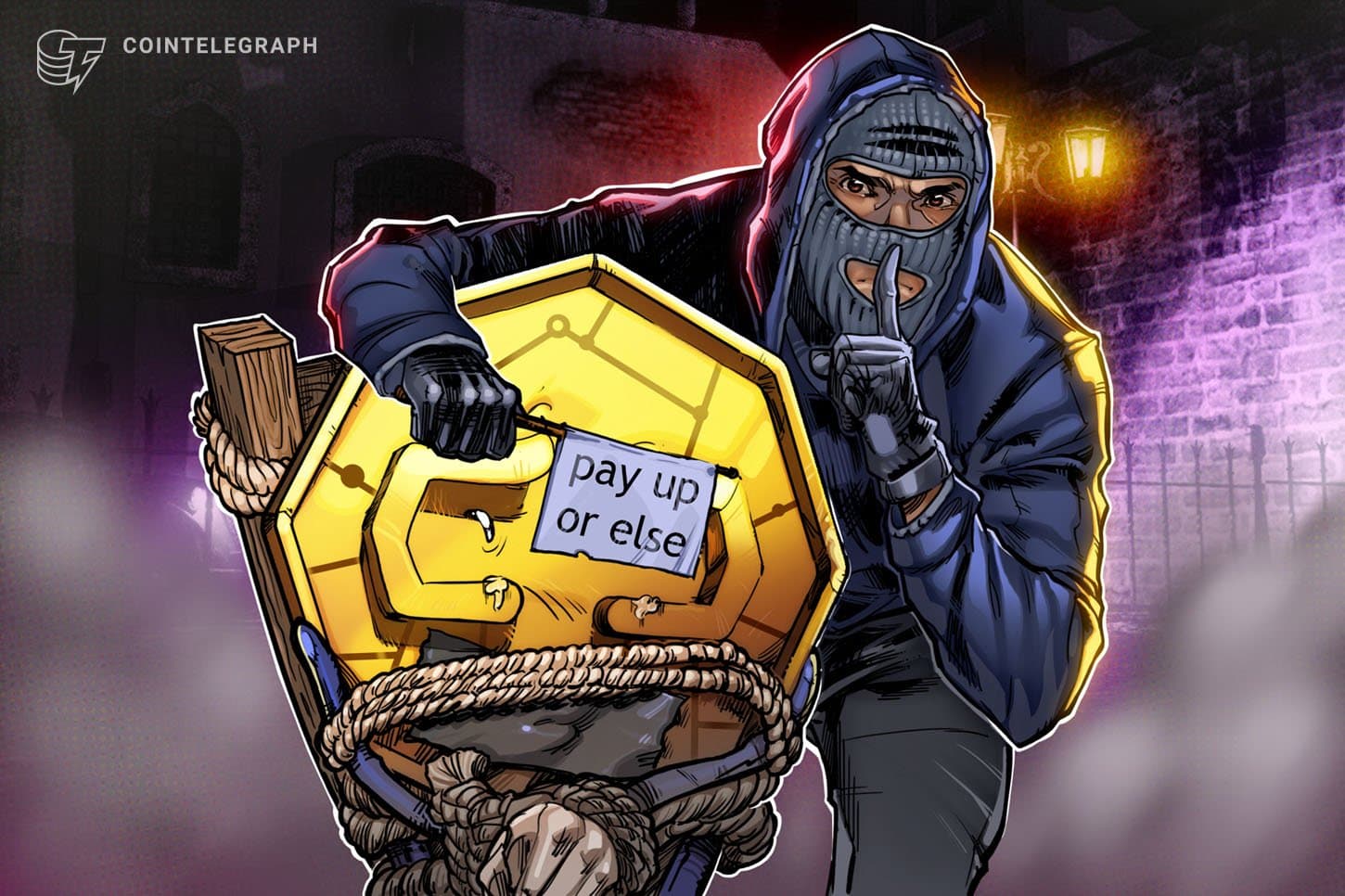
Eric Halem, 38, walked into a Koreatown high-rise pretending to be a cop. He wasn't. The former LAPD officer and three accomplices forced their way into an apartment rented by a 17-year-old, threatened to kill him, and took a hard drive worth $350,000 in Bitcoin. Last week a judge sentenced Halem to life plus 15 years, one of the harshest penalties handed down for a crypto-related crime.
The December 2024 robbery landed squarely in a growing pattern of violent attacks targeting people known to hold digital assets. Halem's jury conviction came after a two-week trial, with prosecutors laying out the full scene: fake credentials, physical threats, a terrified teenager giving up everything stored on that drive. Judge Mildred Escobedo wrestled with the sentence. She read letters from Halem's family describing him as a caring father, but the trial evidence was overwhelming.
What made the case particularly brutal wasn't just the crime itself. The victim, who testified under his first name Daniel, had actually built part of his crypto holdings by scamming other people. That detail didn't soften the judge's hand. Escobedo said she changed her mind several times before settling on the maximum punishment, signaling how seriously she took the violence and the breach of trust by a former law enforcement officer.
Halem still faces separate fraud and robbery charges. His three co-defendants haven't gone to trial yet. The case shows a growing problem for crypto holders in major cities, where thieves increasingly see digital asset owners as soft targets. The sentence sends a message, though it's unclear whether maximum penalties will deter future attacks or just raise the stakes for everyone holding valuable crypto.
This article covers a criminal case and sentencing. It's informational reporting on public court proceedings, not financial or legal advice.