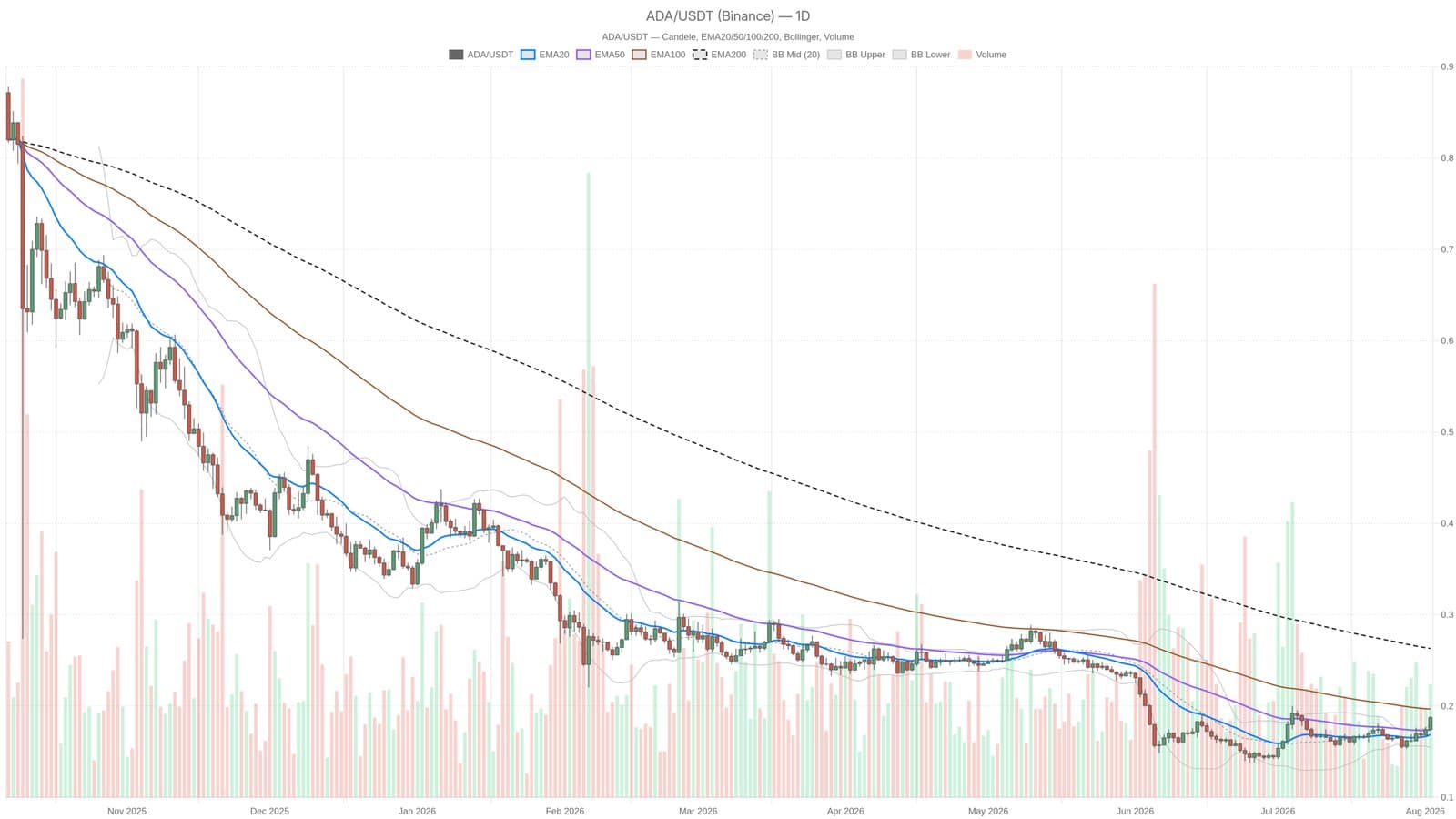
Crypto funds operate around the clock, trading and adjusting positions nonstop. But Form PF, the regulatory report they must file, still relies on business-day concepts, creating serious compliance headaches. When events unfold over weekends or prices shift every second, picking a single reference point to report can be a guessing game with high stakes.
Form PF was designed for traditional hedge funds that measure exposures at end-of-day prices and expect key events during business hours. Crypto markets ignore these boundaries, with prices fluctuating across multiple venues at all hours. This mismatch means determining if a price move is material or when a reporting clock starts becomes tricky, confusing fund managers and regulators alike.
Pressure from Regulators to Adapt
According to Proskauer Rose LLP, amendments to Form PF remain a priority for the SEC, scheduled for 2026, signaling ongoing pressure to update reporting rules. Meanwhile, the CFTC is exploring how to handle 24/7 trading for futures and perpetual contracts, with public comments on the topic due by July 27, 2026. Funds now deal with conflicting expectations: regulatory deadlines that don’t pause for weekends, versus markets that never sleep.
Operationally, many crypto funds fix their net asset value (NAV) at midnight UTC, use pricing from multiple exchanges, and apply special accounting for staking or DeFi activities, according to Cobo. This patchwork approach shows the difficulty of fitting round-the-clock crypto realities into a system built for static daily snapshots.
With more than 300 crypto funds launched since 2020, any changes to Form PF could impact a significant slice of the industry, noted AlphaMaven. The ongoing friction illustrates a fundamental gap between regulatory frameworks and the fast-evolving crypto ecosystem. Bridging this gap will be key to avoid compliance fire drills that disrupt weekends and force rushed reporting.
This material is informational and not financial advice.