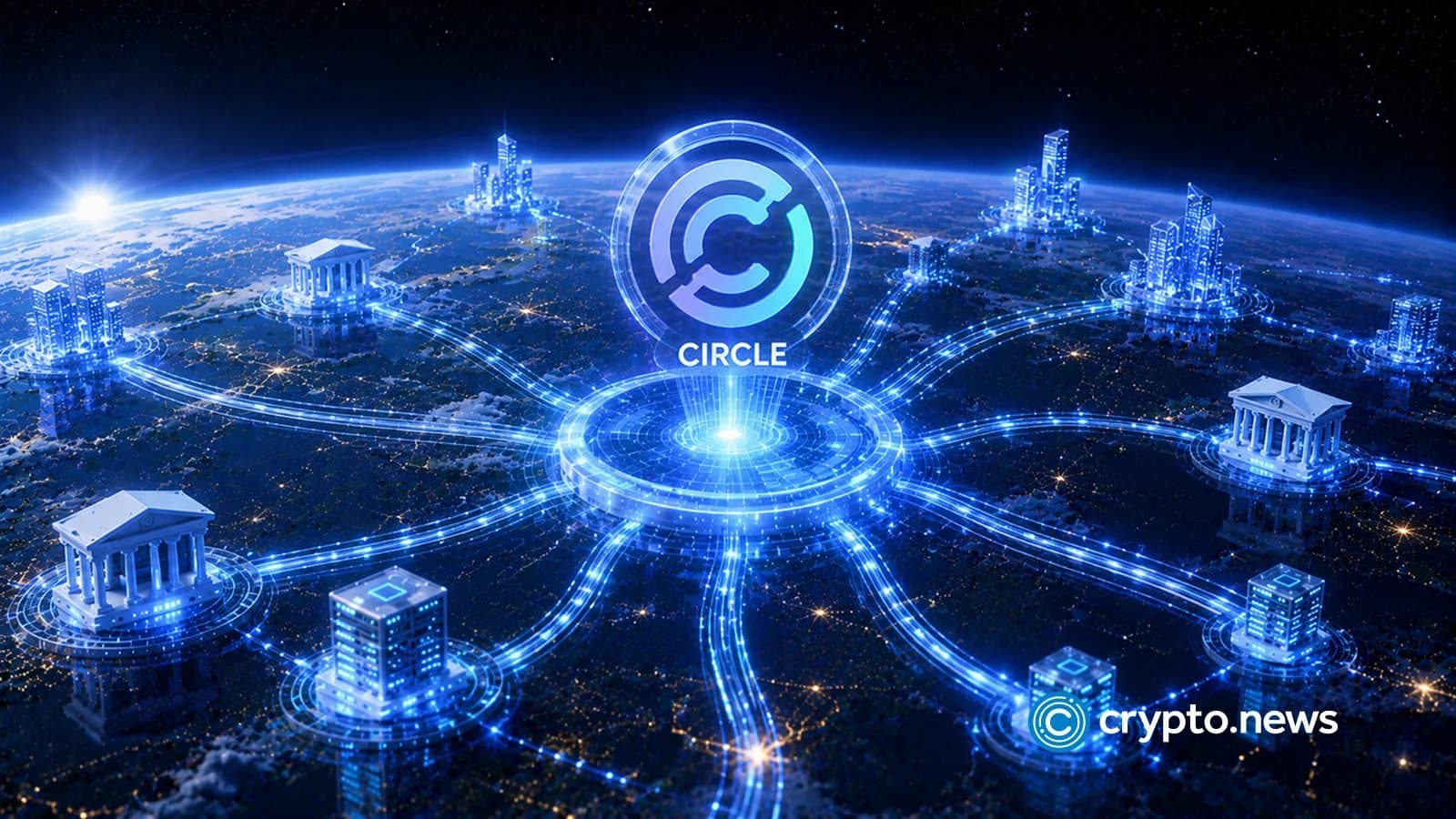
Circle just bought nearly 1,000 blockchain patents from IBM. The USDC issuer now holds what it claims is America's largest blockchain patent portfolio, spanning more than 680 patent families across blockchain systems, financial services, banking, insurance, supply-chain verification, and enterprise infrastructure. The deal closed on July 27. Circle hasn't said what it paid.
The stock twitched up about 2% on the news, then fell harder after Morgan Stanley slashed its price target to $38. That dip hints at what's really bothering the market: nobody knows what Circle plans to do with this pile of intellectual property.
What Circle says it's doing
Circle's General Counsel Sarah Wilson framed the acquisition as essential to the company's mission. The patents will support USDC, the Circle Payments Network, its Arc blockchain, and tools for AI agents. The company also left the door open for "further commercial agreements" with IBM, though nothing concrete emerged from the deal announcement.
Wilson emphasized that intellectual property is critical for advancing onchain infrastructure and expanding adoption of internet-based finance. That's the official story: defensive moat, not offensive weapon.
The licensing question nobody wants asked
Here's where things get murky. Circle's announcement dodged the obvious question: will the company license these patents, sit on them defensively, or actually sue competitors? Fortune's Jeff John Roberts flagged this in early August, warning that the portfolio could become legal use against other blockchain businesses and startups. Circle could theoretically demand licensing fees, file infringement cases, or spin the patents off to separate enforcement entities.
The anxiety runs deeper because of IBM's track record. The company backed enterprise blockchain projects that went nowhere. Now those patents are in Circle's hands, and smaller competitors have to wonder if they're walking into a patent minefield. Circle hasn't announced enforcement plans, but that silence isn't reassuring anyone in the startup ecosystem.
This article is informational only and does not constitute financial or investment advice. Consult a professional before making decisions based on this content.