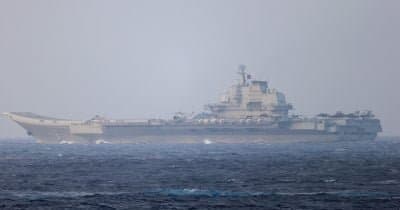
China has launched a new wave of maritime patrols around Taiwan, increasing the pressure without crossing into direct military confrontation. These patrols, carried out by both the coast guard and civilian vessels, skirt Taiwan's restricted waters but signal a clear attempt by Beijing to assert control over key sea lanes.
Taiwan responded quickly by dispatching its coast guard to monitor the Chinese movements. The standoff has rattled prediction markets, nudging the estimated chance of a Chinese invasion within the next year to 13%, up from 12% just days ago. At the same time, the odds of an outright military clash before 2027 have steadied at 7%, indicating that while tensions rise, the immediate risk of open conflict remains contained for now.
Strategic Significance of Maritime Moves
Beijing’s strategy appears to rely on using non-military assets to test Taiwan’s defenses and international reactions without provoking direct warfare. This tactic could normalize Chinese presence in waters Taiwan considers vital for its security. Analysts warn these patrols might pave the way for more aggressive moves if met with little resistance. Meanwhile, global observers watch for any changes in tone from Beijing or Taipei, as well as statements from influential figures like Xi Jinping or the U.S. President, which could shift the delicate balance.
The rise in invasion probability reflects how markets are factoring geopolitical tensions into their outlook. Similar dynamics have played out elsewhere, such as the financial sector's response to evolving tech and geopolitical risks, seen in Samsung and SK Hynix's recent market shifts. For now, the Taiwan Strait remains a hotspot where careful moves by both sides will determine if these patrols remain symbolic or escalate into conflict.
This material is for informational purposes only and does not constitute financial advice.