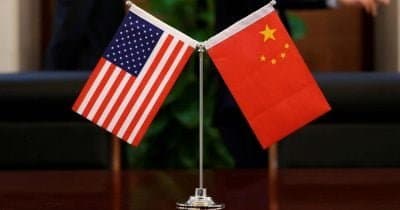
On July 24, China’s Ministry of Commerce imposed export restrictions targeting 14 European companies, including German defense leader Rheinmetall AG. This move serves as retaliation against the European Union’s recent 21st sanctions package against Russia, which also encompassed entities linked to China and Hong Kong.
The affected firms span several EU countries, with Rheinmetall standing out as Europe’s largest defense contractor. Polish optics company Vigo Photonics S.A. and other defense-related German and European firms are also on the list. The restrictions bar direct shipments and forbid rerouting orders through third parties for dual-use goods of Chinese origin without explicit government approval.
Details about specific items under restriction remain vague, classified broadly as "dual-use," leaving Chinese customs broad authority to determine what shipments are halted. This uncertainty complicates supply chain management for the involved companies.
Impact Beyond Defense
Rheinmetall’s role in Europe’s military buildup is significant, with major contracts for ammunition and armored vehicles. Despite efforts since 2024 to diversify supply chains, dependencies on Chinese minerals and components pose risks amid rising geopolitical tensions.
Investors should keep an eye on the stocks of these firms, as supply disruptions could pressure valuations. The export controls also ripple into sectors like semiconductors and advanced tech, which support crypto mining hardware and AI systems, potentially affecting those markets as well.
According to the EU, officials are reviewing the situation and plan to coordinate responses with member states and the impacted companies. The evolving trade measures could escalate further if the EU introduces additional counteractions.