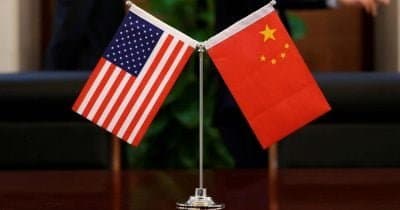
On Friday, the U.S. imposed new tariffs covering products from more than 80 countries, which together represent 99.4% of American trade. The White House claims these duties target nations failing to stop imports linked to forced labor. Two small businesses quickly challenged the tariffs in court, marking the first legal pushback against this broad new policy.
Legal Challenges and Unprecedented Scope
These tariffs rely on Section 301 of the Trade Act of 1974, a law historically used to respond to unfair trade practices. Although Section 301 has been invoked before including during Trump's first term against China trade experts argue this latest use stretches the statute beyond its typical bounds. Peter Harrell, a visiting scholar at Georgetown University, told CNBC that Congress never intended Section 301 to authorize indefinite tariffs or a wholesale rewrite of U.S. tariff lists.
Courts previously struck down Trump’s earlier “liberation day” tariffs, ruling that the president had overstepped legal authority. This new lawsuit alleges the administration is attempting to revive the tariff framework under a different legal justification, potentially setting up another lengthy court battle. The plaintiffs argue the forced labor claim is a pretext for rebuilding a global tariff system that judges had already invalidated.
Widening Trade Disputes
Beyond the forced labor tariffs, the Trump administration has escalated tensions with major trading partners. Last Friday, the U.S. announced an immediate investigation into the European Union following penalties imposed on American tech firms. Tariffs of 25% on Brazilian goods and threats of 50% on Canadian products demonstrate a broader strategy of trade confrontation.
This aggressive approach has raised concerns among trade lawyers who warn that the administration’s tactics could provoke retaliatory measures and disrupt global supply chains. The ongoing disputes come as the White House seeks to enforce stricter trade rules, but the legal and economic fallout remains uncertain.