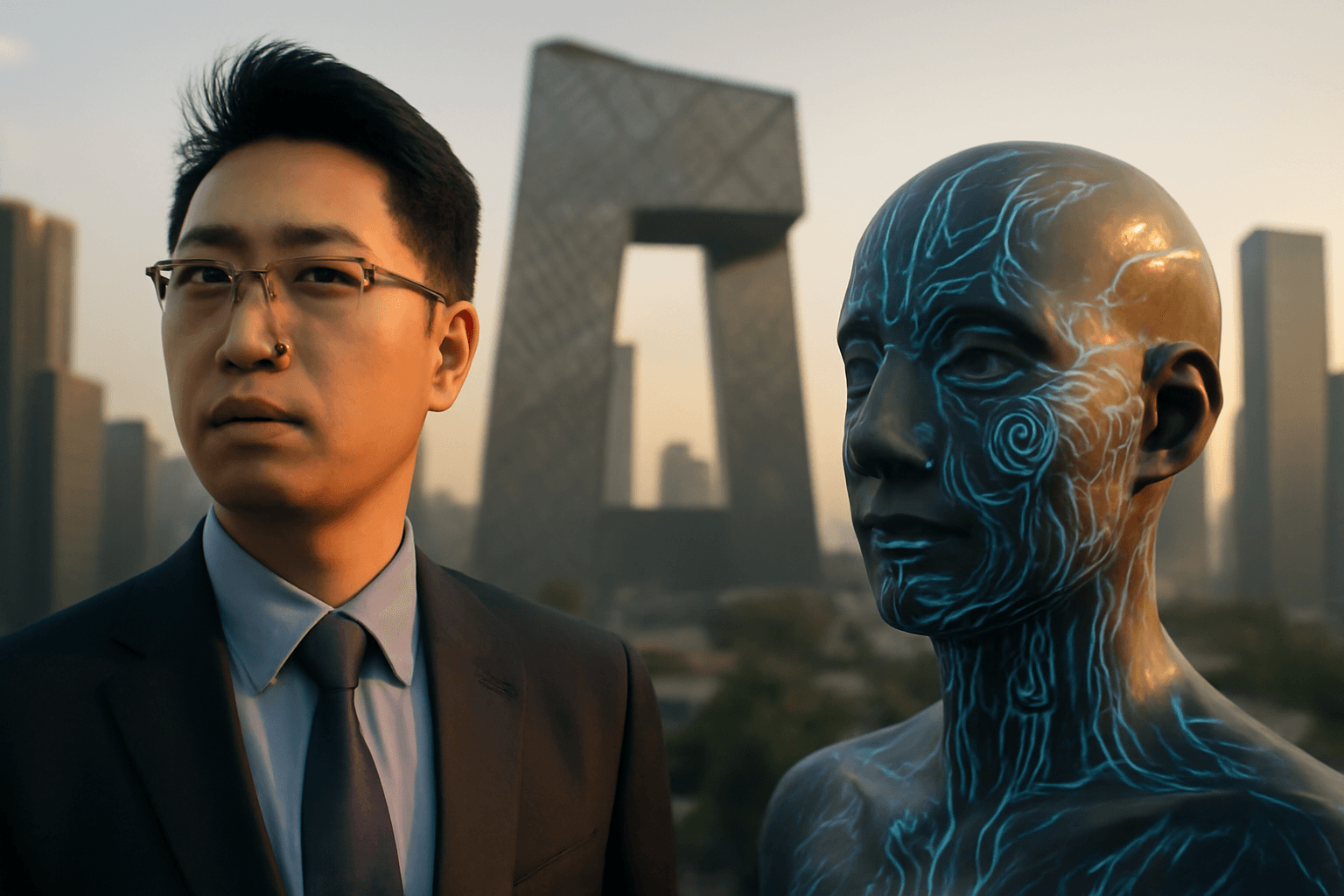
“This policy creates a fertile ground for individuals to launch AI ventures without heavy overhead,” a tech entrepreneur in Beijing noted after the city announced its new AI initiative. The plan pivots on accelerating intelligent agents AI systems capable of autonomous learning, reasoning, and task completion and fostering a supportive environment for one-person AI companies.
The city government has unveiled a multi-agency-backed policy aiming to turn Beijing into a global center for AI innovation by investing in AI infrastructure and encouraging software and hardware development driven by intelligent agents. The targets include upgrades in large AI models focused on online learning and collaborative multi-agent systems, plus an emphasis on building open-source frameworks and secure AI platforms. the plan promotes AI-native applications from research assistants to AI-enhanced operating systems for businesses.
Beijing also looks to integrate intelligent agents into emerging technologies such as smart glasses, robots, and wearables, with incentives like trade-in programs and subsidies for qualifying products. A standout feature is strong backing for One-Person Companies (OPCs), simplifying company setup and offering incubation, public resources, and supply-demand matchmaking between startups and corporations. This approach aligns with the city's vision to multiply innovative outputs from small-scale, AI-enabled businesses.
Crucially, the initiative introduces an AI token economy, where 'tokens' represent units of computation rather than cryptocurrencies. This model is designed to streamline inference efficiency and cut down costs, supporting new service layers such as Token as a Service (TaaS) and Result as a Service (RaaS). Beijing will develop pricing norms and quality standards for these tokens to ensure transparency and reliability. This move parallels trends seen in payment systems accepting AI-driven transactions, highlighting the expanding intersection between AI services and token-based ecosystems.