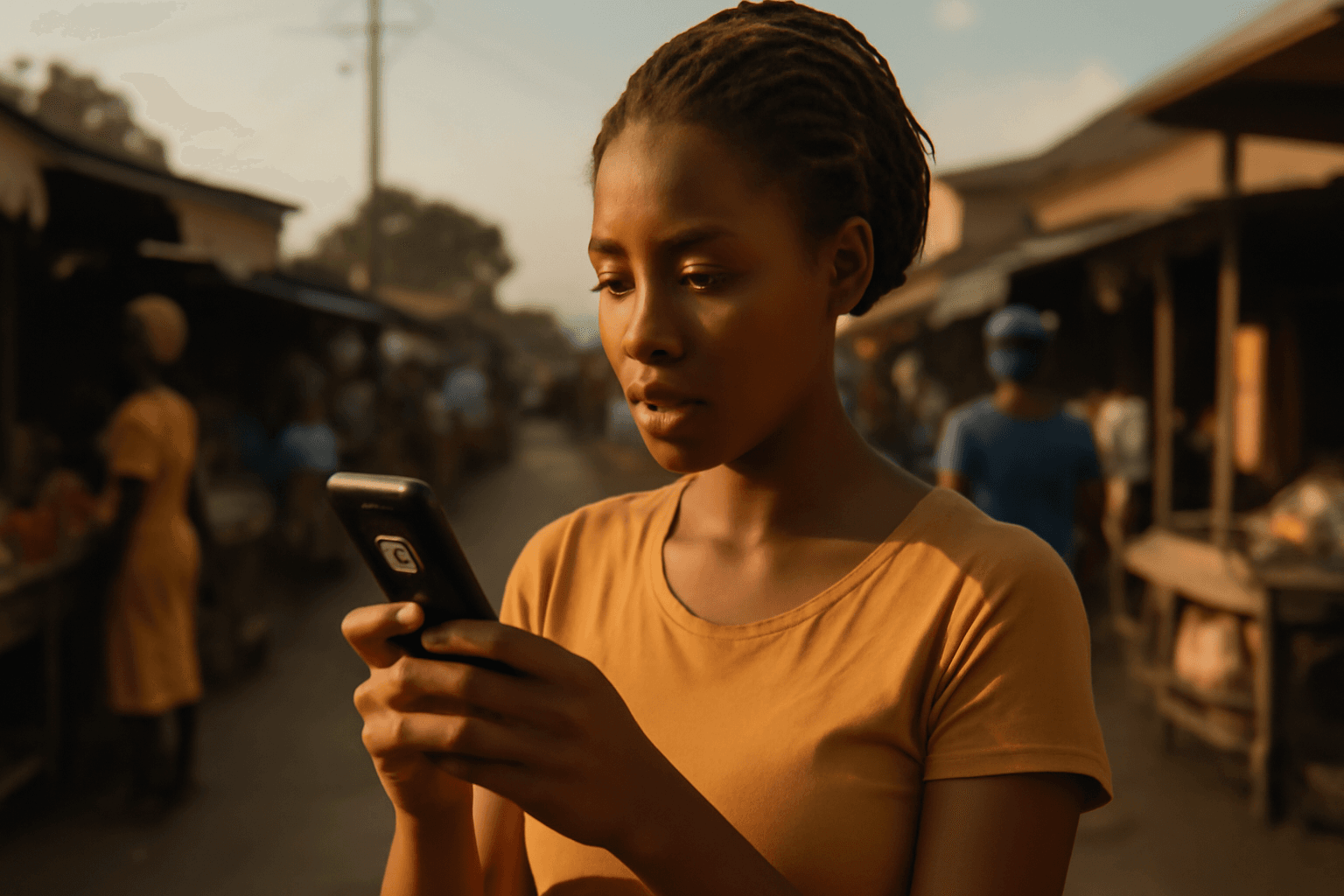
In Sub-Saharan Africa, crypto isn’t just about investment hype. It’s about solving real challenges faced by millions. Take Nigeria or South Africa, where almost 80% of people surveyed already hold stablecoins. These digital assets help them cope with unstable local currencies and expensive traditional money transfers.
Between July 2024 and June 2025, more than $205 billion moved on-chain in Sub-Saharan Africa, a 52% increase from the previous year. This surge makes the region the third fastest growing crypto market globally. What stands out is the nature of these transactions: over 8% of the activity involved amounts under $10,000, compared to 6% worldwide, indicating that ordinary people are driving this growth rather than just institutions.
Mobile payments have paved the way. Africa dominates global mobile money transactions, handling around 70% of the market, which was valued near $1 trillion. In Sub-Saharan Africa alone, around 40% of adults now have mobile money accounts, a jump from 27% in 2021. For many, mobile money is their main financial tool, making the shift to blockchain-based payments smoother than in regions with entrenched banking systems.
Stablecoins like USDT and USDC are particularly popular. They offer a safeguard against local currency fluctuations and make sending money home faster and cheaper than banks. Countries such as Kenya, Ghana, Nigeria, and South Africa are seeing a rise in stablecoin adoption. Studies show that over 75% of stablecoin holders in Nigeria and South Africa plan to increase their holdings soon.
Regulation is also catching up. Nigeria, South Africa, Kenya, and Mauritius have introduced frameworks that balance consumer protection with fintech innovation. This regulatory clarity helps foster trust and encourages further crypto adoption.
This practical usage of crypto for daily needs sets Africa apart from many markets where speculation dominates. It also ties into broader fintech trends, like those seen in Coinbase’s embrace of USDC payments, showing how digital currencies are becoming mainstream tools worldwide.