Imagine this: a massive blockchain network suddenly stops confirming transactions because most of its validators use the same software client. One small glitch spreads like wildfire, freezing the entire system or even splitting the chain into competing versions. This scary scenario shows why the variety of validator clients powering a blockchain is far from just a tech detail it's a critical safety net.
Blockchains rely on lots of copies of their ledger spread all over the world. Each validator node runs software that follows network rules and helps secure the blockchain. But if nearly all these nodes run identical software, a single bug becomes a network-wide disaster. It’s not about preferences or technology trends. It’s about reducing risk by having multiple, independent implementations.
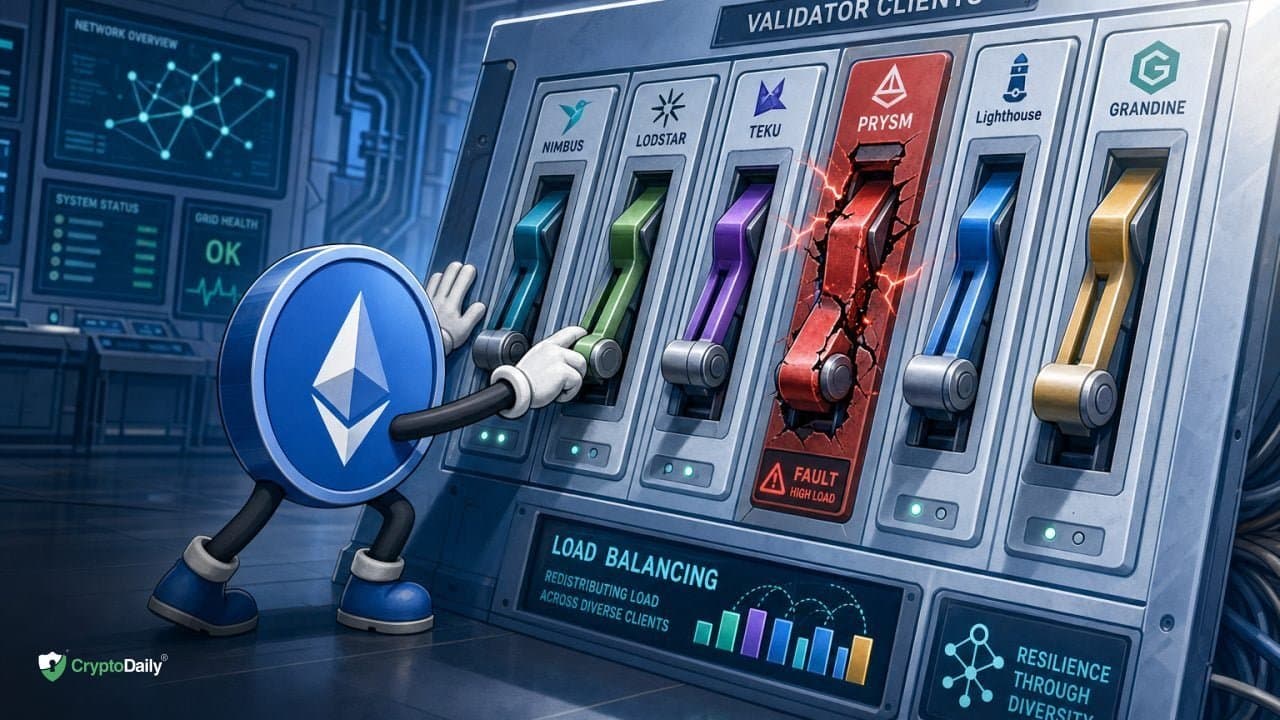
Networks like Ethereum run two key types of client software: consensus clients that handle the core logic and agreement protocol, and execution clients that process transactions and run smart contracts. Validators pair one of each. Ideally, if one client hits a snag, the network feels just a hiccup instead of a collapse. Tools like clientdiversity.org track this mixture. They reveal how some software can dominate unless operators consciously mix things up.
The stakes are real. Past incidents including Ethereum’s finality slowdowns and Solana’s outages show how too many validators using the same code amplify risks, triggering mass penalties called slashing and downtimes. To keep the network alive and validators safe, experts recommend ensuring no single client crosses about 33% of the network, so a bug can’t control a key part of consensus.
For those running validators or staking through services, it's smart to ask providers about their client diversity, update schedules, and incident track records. Mixing different clients and staggering software upgrades helps prevent widespread failures. Validators should rehearse failover plans and isolate faults proactively. If the thought of your client suddenly failing for several hours makes you uneasy, it’s a clear sign more client diversity is needed.
These practices aren’t just abstract ideas; they’re operational essentials that protect your uptime and reduce the risk of losing funds through slashing penalties. The next time you consider where to stake or how to run a validator, remember that client variety is the quiet shield behind blockchain resilience.
This content is for informational purposes and is not financial advice.