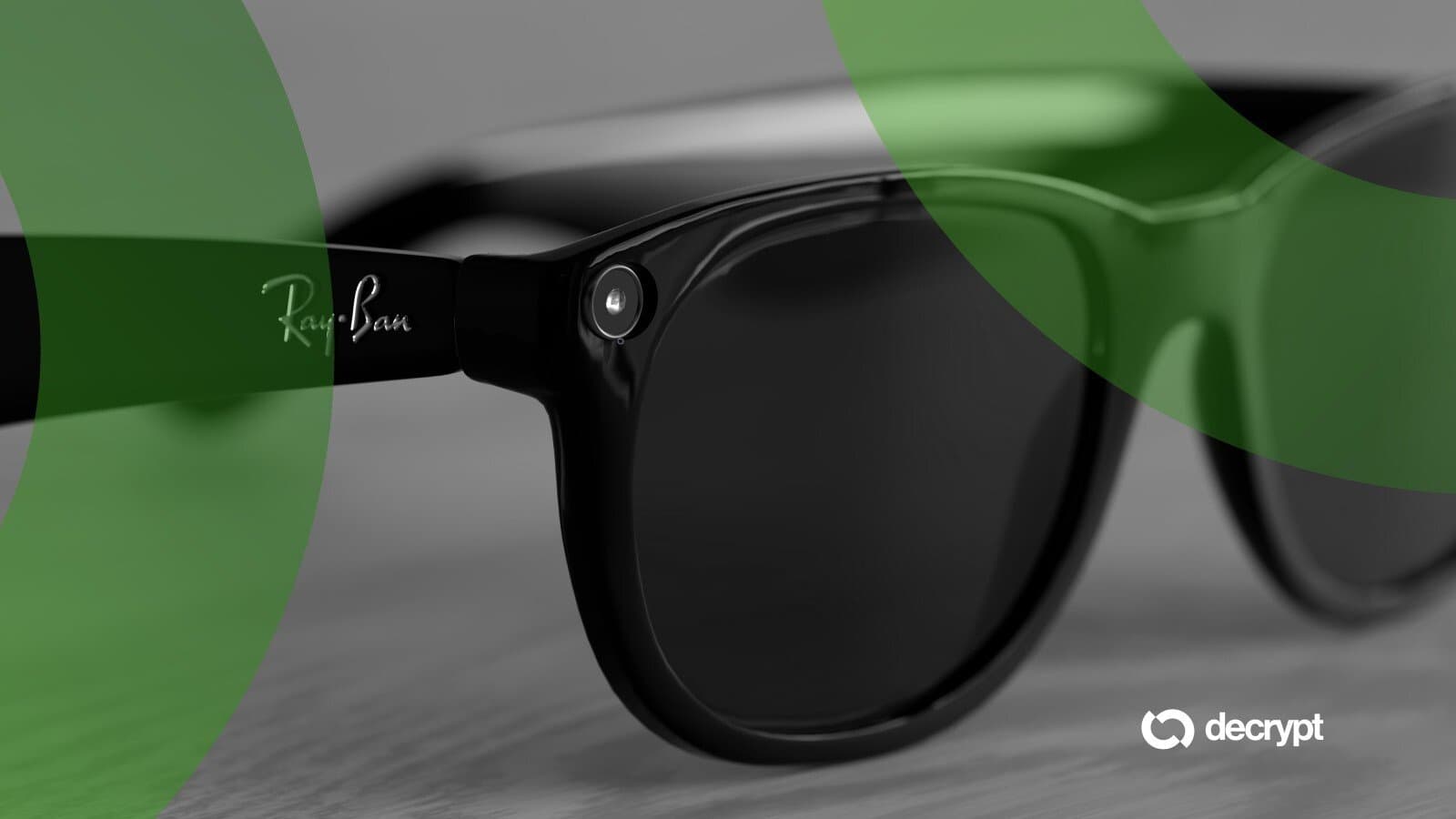
Imagine putting on a pair of smart glasses only to find out they’re being called 'pervert glasses' on social media. That’s exactly what happened with Meta’s latest augmented reality gadget. The device, designed to overlay digital images onto the real world, quickly sparked a heated debate over privacy and ethics.
Meta pitched these glasses as a step forward in blending digital and physical experiences. Yet critics worry about the potential misuse like secret recording or unwanted surveillance. The nickname 'pervert glasses' reflects a deep unease about how technology can invade personal space without consent.
Behind the buzz, the glasses are part of Meta’s bigger push into the metaverse, aiming to create new ways for people to connect and interact online. This isn’t the first time a tech company has faced backlash for privacy concerns, but it’s a reminder that innovations always come with trade-offs. Public reaction often forces companies to rethink features or tighten controls.
Looking at recent moves in the crypto and digital world, similar caution appears in other areas too. For example, Cardano whales’ massive ADA purchases show how big players can sway markets, raising questions about transparency. Meanwhile, Michael Saylor’s confirmation on BIP-110 miner rejection shows how community and consent shape blockchain evolution. Meta’s glasses controversy fits into a broader pattern where technology’s promises clash with public trust and ethical boundaries.
Meta hasn’t yet released many details on safeguards against misuse. That leaves many wondering who controls the data these glasses collect. As with any disruptive tech, the ultimate impact depends on how well developers anticipate risks and respond to user concerns.
This article is for informational purposes only and does not constitute financial advice.