The White House is moving forward with a voluntary framework designed to streamline how AI developers submit their most advanced models for government assessment prior to public release. This step aims to replace the unpredictable, case-by-case national security checks currently in place with a more structured and predictable system.
The draft, circulated in mid-July by the Office of the National Cyber Director, has already drawn input from major players like OpenAI, Anthropic, and Google, who collectively suggested edits. Despite collaboration, the framework remains non-binding. It specifically avoids mandatory licensing, preclearance, or any permitting requirements.
Industry leaders have held back from fully embracing the program, waiting to see clear definitions of key terms such as what constitutes a "frontier model," how testing will be conducted, and how open-source AI releases will be treated. These factors are critical and could determine whether the initiative facilitates meaningful cooperation between tech companies and government agencies.
Steps Leading to Today’s Framework
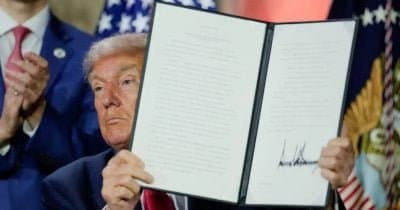
Backtracking the policy timeline reveals the context: in January 2025, the Trump administration rescinded earlier AI executive orders, signaling a shift in approach. This was followed by the National Policy Framework in March 2026, which outlined the administration’s stance on AI innovation and security. Then, in June, an Executive Order introduced classified benchmarking for "covered frontier models" and set the stage for the current voluntary pre-release review process.
Among the biggest points of controversy is how this framework will handle open-source AI models, a vital concern for decentralized AI projects that rely on readily accessible code. Stricter review or friction here could impact innovation paths for crypto and decentralized AI protocols.
Material provided solely for informational purposes and should not be regarded as financial advice.