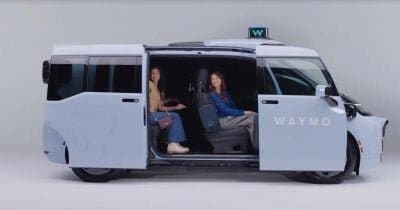
“We always knew our partnership was just one piece of a larger puzzle,” said a source familiar with the split between Waymo and Uber in Phoenix. The formal end of their robotaxi collaboration in May 2026 marks a key turning point in how these autonomous vehicle giants approach the market. After launching together in 2023 with about a dozen self-driving cars integrated into Uber's platform, Waymo has now reclaimed those vehicles for its own services.
In a strategic shift, Waymo pulled its fleet from Uber's app in Phoenix and redeployed them for use through its native app, expanding beyond passenger rides to DoorDash deliveries and a growing partnership with Via Transportation. This comes as Uber prepares to announce another autonomous vehicle partner for the Phoenix area, underscoring that its interest lies in flexible collaborations rather than exclusive ties.
The breakup in Phoenix doesn’t translate to a full split, though. Waymo’s autonomous cars are still available via Uber’s app in Atlanta and Austin, at least for now, indicating a more fractured competitive landscape where alliances coexist uneasily. Both companies have set their sights on London, suggesting that the turf war for robotaxi dominance is far from over.
Meanwhile, regulatory dynamics add another layer to this rivalry. Uber has ramped up lobbying efforts in Washington, D.C., opposing regulations it views as favoring Waymo’s operations, highlighting how policy battles mirror the street-level competition. This evolving conflict happens as the industry watches regulation closely, aware that rules could dictate who leads the autonomous future.