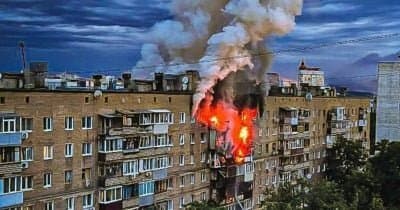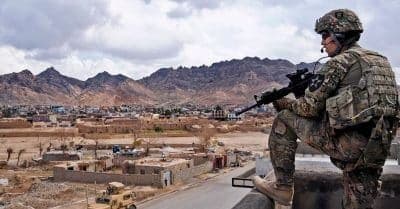
The US is pulling its forces out of Iraq, sparking worries over escalating violence in the Kurdish region. Over the past months, Iran and its allied militias have launched frequent missile and drone strikes targeting key cities like Erbil and Sulaimaniyah. The US military presence has long served as a buffer, deterring attacks. Now, as troops draw down, Kurdish leaders fear abandonment and a surge in conflict.
Shifting Power Dynamics in Iraqi Kurdistan
With fewer American boots on the ground, the balance of power is tilting. Iranian-backed groups may feel emboldened to increase aggression, exploiting the reduced deterrence. Meanwhile, Kurdish forces face the dilemma of defending their territory with limited external support. Some analysts see the withdrawal as part of a broader US strategy to reduce direct military involvement in the Middle East, reflecting a cautious approach toward Iran. Market indicators confirm this, pricing in a lower chance of a US invasion of Iran and signaling a potential decline in hostilities aimed directly at Gulf states.
What Comes Next for the Region
Observers are watching closely to see how Iranian militias react to the shift and whether Kurdish forces will ramp up their defenses or seek new alliances. The role of US Central Command and the Pentagon remains critical in responding to any flare-ups. Diplomatic channels might gain prominence over military options, shaping future regional stability. This evolving situation will influence geopolitical risk assessments and market sentiments alike.
This content is for informational purposes and does not constitute financial advice.