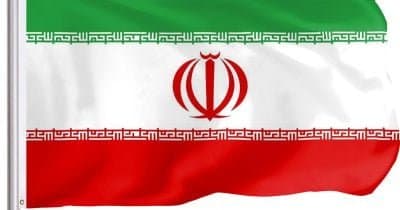
When Nobitex processed more than half of Iran’s digital asset inflows in 2025, it wasn’t just a crypto exchange it was a key financial channel for the country’s elite military force, the Islamic Revolutionary Guard Corps (IRGC). The US Treasury just shut down a vital part of that network, freezing nearly half a billion dollars in crypto and sanctioning four major Iranian platforms.
On June 2, the Office of Foreign Assets Control (OFAC) targeted Nobitex, Bitpin, Ramzinex, and Wallex, accusing them of funneling funds directly to the IRGC. These exchanges were at the heart of Iran’s crypto market and used for various illicit activities, including laundering ransomware payments and collecting so-called “toll” fees related to the Strait of Hormuz maritime route.
The Strait of Hormuz is a massive choke point where about 20% of the world’s oil passes daily. According to the Treasury, the IRGC has been using crypto-based fees to extort payments for safe passage through this corridor. This strategy effectively turns digital currency into a tool for a crypto-powered protection racket, exploiting one of the globe’s most critical shipping lanes.
The Treasury’s sanctions also froze over $130 million in Tether (USDT) on the TRON network, linked to wallets tied to Iran’s Central Bank and IRGC activities. Key figures behind Nobitex, including founder Amir Hossein Rad, were cut off from the US financial system. Any dealings between US persons or companies and these crypto platforms or individuals are now illegal.
These moves mark a sharp escalation in 2026 by US authorities against Iran’s use of digital assets for sanction evasion and illicit finance. OFAC’s enhanced enforcement toolkit now tackles exchanges directly alongside uncovering front companies and payment networks designed for money laundering. The IRGC is among the most aggressive actors exploiting crypto, and this latest crackdown exposes how digital currency can enable state-backed illicit operations.
This material is informational and not financial advice.