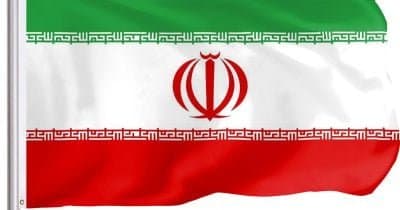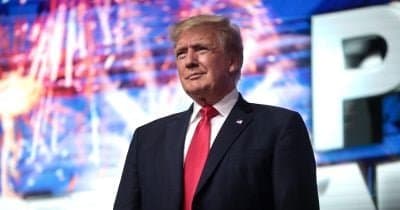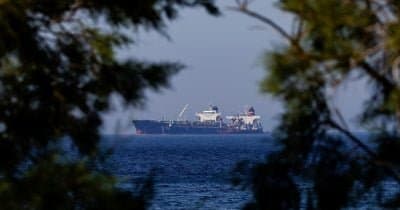
The United States has stepped up pressure on Iran by sanctioning a group of oil tankers tied to Tehran's covert shipping operations. These vessels, part of what's known as Iran's "shadow fleet," use complex ownership structures to dodge previous sanctions and keep oil flowing. Washington's latest move signals a tougher stance, moving beyond financial penalties to direct maritime enforcement that could include intercepting ships.
Iran's strategic position near the Strait of Hormuz, a key artery for global oil shipments, makes the region especially sensitive. Recent market data shows a drop in optimism for normal traffic through this chokepoint by the end of August, with predictions falling from 14% to 9.5% in just a week. This decline reflects growing fears that these sanctions might escalate regional tensions and disrupt oil supply routes.
What’s Next for the Strait of Hormuz and Regional Stability
Key figures in Iran, such as Supreme Leader Ayatollah Ali Khamenei and President Masoud Pezeshkian, could respond in ways that further impact oil markets and geopolitical dynamics. Close attention will be paid to any shifts in military activity or diplomatic talks between the US and Iran. Tracking changes in tanker movements through the Strait will also be critical to understanding how this situation unfolds.
This content is for informational purposes and does not constitute financial advice.