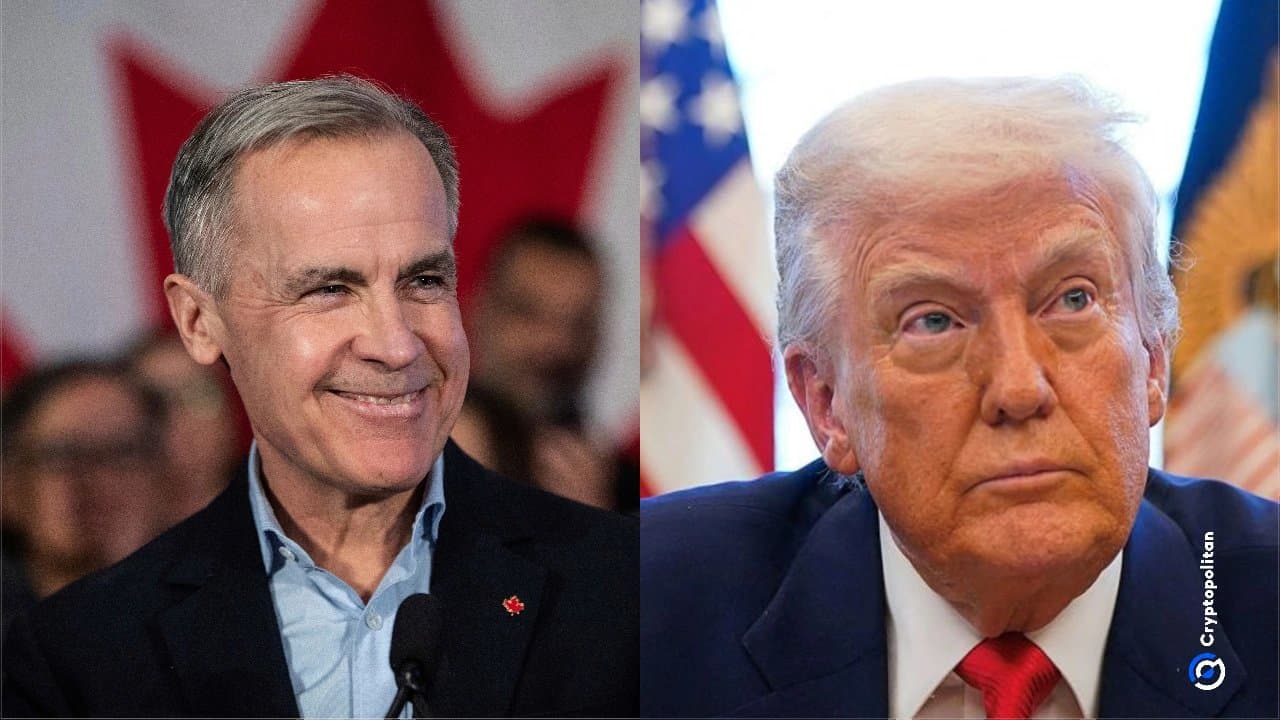
Washington has expressed backing for Canada’s efforts to develop sovereign artificial intelligence capabilities, while warning that this should not compromise the strength of US technology, a US Embassy official said during a briefing in Ottawa.
The official spoke on the condition of anonymity but was candid about the US position. They acknowledged Canada’s right to promote its domestic AI companies and compared this approach to America’s own AI export strategies. However, they added that where US firms hold technological advantages, joint efforts between the two governments would be more effective as allies.
Shared concerns and differing approaches
The briefing highlighted some alignment in policy areas such as export controls designed to prevent AI tech and intellectual property from falling into the hands of rival nations chiefly China. The US official emphasized that closer collaboration with Canada would help counterbalance China’s influence in setting global AI standards within multilateral bodies.
Canada’s AI for All strategy outlines alliances with countries including Germany, Australia, the EU, India, Qatar, Saudi Arabia, and the UK, notably excluding the US. The divergence extends to regulatory philosophies as well: Canada is implementing strict privacy and online harm legislation with heavy penalties for non-compliance among AI companies, while the US official maintained that private companies are better suited to manage such risks than governments.
This approach contrasts with the US AI strategy launched in 2025, which aims to accelerate approvals for large data centers and maintain American leadership by streamlining regulations. Recent investment trends suggest significant interest in scaling AI infrastructure, even as policymakers debate the balance between sovereignty and cooperation.
The official also noted that Canadian firms already participate in US-led export consortia, selling hardware alongside American suppliers a sign of ongoing collaboration despite the sovereignty push.