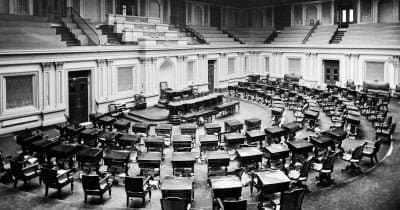
The US Senate is gearing up to vote on the Digital Asset Market Clarity Act, H.R. 3633, during the week of August 3. Ahead of the full vote, a procedural motion to proceed could take place as soon as July 27 or 28. This legislation is considered the most significant crypto-related bill in years.
The bill aims to resolve long-standing jurisdictional confusion between the Securities and Exchange Commission (SEC) and the Commodity Futures Trading Commission (CFTC) by clearly defining which agency governs specific digital assets. This clarity targets digital commodities and stablecoins, providing explicit regulatory boundaries that have been missing and have limited institutional adoption in the US market.
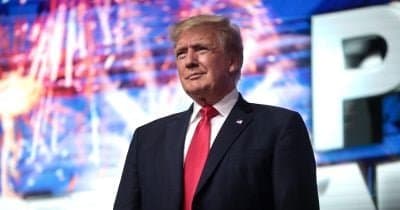
The legislation is the product of a merged draft after input from both the Senate Banking Committee and the Agriculture Committee. The Senate Banking Committee initially passed the bill with a 15-9 vote in May 2026. A notable addition to the current draft includes an ethics provision designed to address conflicts of interest among government officials. Former President Donald Trump played a direct role in shaping this ethics language following meetings with senators in mid-July, accelerating the bill’s progress.
The House of Representatives already approved its version back in July 2025, so the Senate vote represents the last significant legislative step before the bill could land on the president’s desk.
The bill’s focus on regulatory clarity is critical because the existing ambiguity has driven some crypto firms overseas and limited institutional investments. By defining regulatory roles, the legislation could open the door for more solid US crypto market participation.
Market reaction to the bill’s advancement has been positive for crypto-related stocks, which have rallied on the news. Prediction markets currently give the bill a 41% chance of passing, a noticeable increase following Trump’s involvement in the ethics negotiations. The ethics clause could either smooth the path to approval or become a major hurdle. If the Senate clears the procedural motion without much opposition, it would signal a stronger likelihood of final passage.