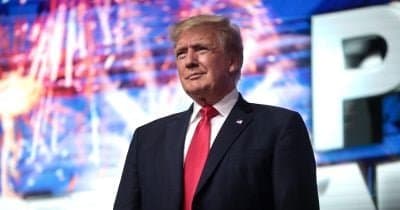
One Republican senator admitted, "This vote keeps the door open for military action, but it also raises the stakes for markets and crypto regulation." On June 25, the US Senate narrowly voted 50 against 47, with one abstention, to reject a second resolution that would have restricted President Trump's war powers against Iran. While the margin was tighter than the earlier 53-47 defeat in March, White House authority remains untouched, signaling heightened tensions both in Washington and on Bitcoin charts.
The conflict has intensified beyond mere rhetoric. Recent US military strikes, including the sinking of an Iranian warship with dozens of casualties, pushed Bitcoin below $62,000 by early July, a sharp 3% drop attributed to Trump’s declaration that any tentative ceasefire is off. These geopolitical shocks have injected volatility into crypto markets, rattling investors already on edge.
Behind the scenes, Treasury officials have ramped up enforcement on crypto channels linked to Iran. At least $344 million worth of Iranian crypto assets have been frozen, and some estimates suggest that total sanctioned holdings could soar near $7.7 billion. This crackdown places exchanges that process these transactions under intense scrutiny, raising red flags for traders and platforms worldwide.
The Senate's adjournment for a two-week recess leaves uncertainty hanging over the ceasefire prospects and the trajectory of US military engagement. Bitcoin's $62K support level might be tested further pending official guidance on crypto sanctions enforcement. For investors, this confluence of war powers politics and crypto regulations creates a complex environment where market swings meet regulatory risks.
Material is for informational purposes only and not investment advice.