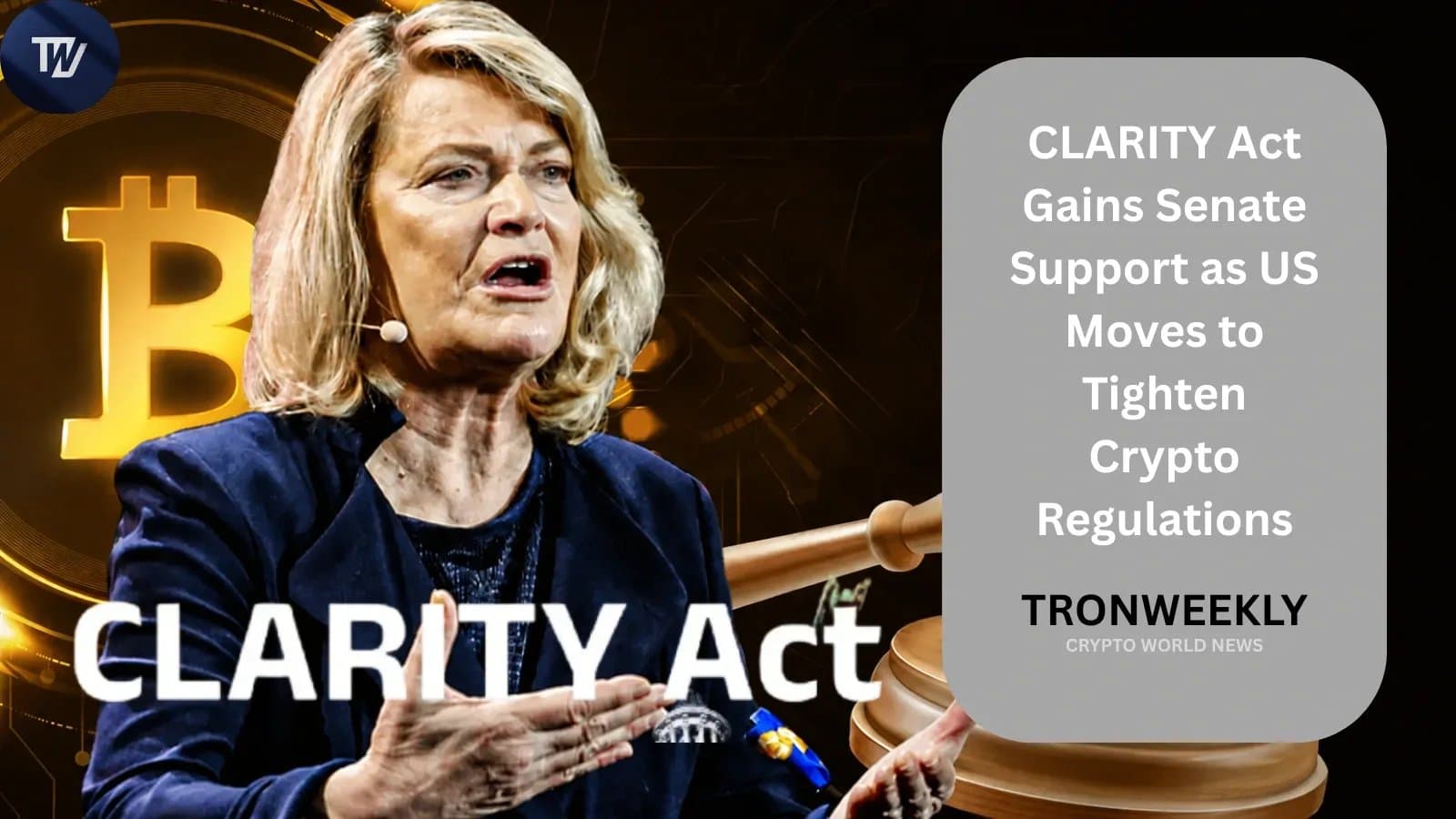
The CLARITY Act is gaining fresh momentum as Senator Cynthia Lummis pushes for its passage, aiming to tighten the US government's grip on cryptocurrency-related crimes. The bill seeks to empower the Treasury Department with enhanced authority to freeze suspicious crypto transactions, a step designed to disrupt criminal groups like North Korea's Lazarus Group, known for executing major crypto thefts.
By granting the Treasury new sanctions powers and legal protections for crypto firms that freeze dubious activity, the act targets loopholes that bad actors exploit. Lummis emphasized that this legislation would protect companies from lawsuits when they take action against suspicious transactions before funds move.
Expanding Regulation and Resources
The CLARITY Act, formally known as H.R. 3633, also introduces broader measures to extend Bank Secrecy Act (BSA) and Anti-Money Laundering (AML) rules to digital asset platforms, including crypto exchanges and decentralized finance systems. This brings the crypto sector closer in line with traditional banking standards, raising compliance requirements for many crypto businesses.
Funding is another critical part of the bill. It allocates $150 million to FinCEN to boost its digital asset oversight capabilities and an additional $150 million in grants to support state and local law enforcement agencies investigating crypto crime. The bill encourages coordination through an information-sharing mechanism among the Treasury, Justice, and Homeland Security departments to fight illicit digital asset usage more effectively.
This renewed push for the CLARITY Act follows its earlier approval by the House of Representatives in July 2025 and a favorable 15-9 vote in the Senate Banking Committee in May 2026. Senator Lummis highlighted the importance of passing clear crypto regulations now, warning that delays might allow other countries to set their own rules first, potentially disadvantaging the United States.
The act's focus on freezing illicit transactions and enhancing enforcement marks a notable escalation in Washington's approach to crypto crime, responding to increasing threats from state-backed hacker groups. These moves appear critical amid growing incidents like those detailed in our report on North Korea’s crypto laundering tactics.