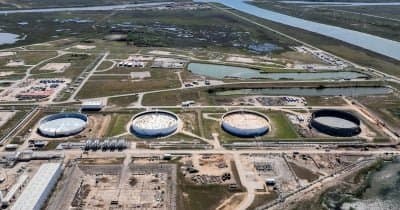
The US government has opted not to tap into its Strategic Petroleum Reserve despite surging fuel prices linked to the ongoing crisis in the Strait of Hormuz. Currently holding about 308 million barrels, this stockpile is now at its lowest level since 1983 after a series of releases over the last four years. The most notable drawdown happened in March 2026, when President Trump authorized releasing 172 million barrels to ease tensions caused by geopolitical disruptions in the vital oil passage.
The Strait of Hormuz handles roughly 20% of the world's oil supply, making it a critical choke point. When it effectively closed during conflict between the US and Iran, the International Energy Agency, with the US reserve playing a key role, coordinated emergency stock releases that injected an extra 2.5 million barrels per day into the market for four months. Even after this, projections show the reserve will fall to around 243 million barrels, about a third of its full capacity.
These ongoing disruptions have pushed Bitcoin mining costs sharply higher. Mining one Bitcoin now costs around $88,000, a figure driven up by rising oil and related energy prices. While many miners rely on renewable or nuclear power, spikes in oil prices tend to ripple through natural gas and electricity markets worldwide, squeezing miners' margins. Those unable to cover costs may shut down operations or liquidate Bitcoin holdings, which can affect overall supply and market dynamics.
Bitcoin ETFs experienced strong inflows recently despite a dip in prices, reflecting investors' continued interest amid volatile conditions.
Bitcoin's price slipped 4% as miners face these rising expenses.
This information is provided for educational purposes and should not be considered financial advice.