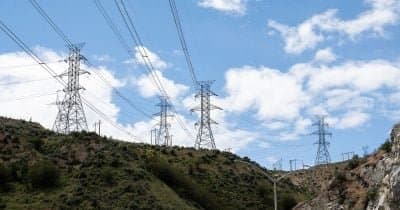
The largest power grid in the United States is preparing for a surge in electricity demand fueled by rapid growth in AI data centers, electric vehicles, manufacturing, and crypto mining. After nearly two decades of relatively flat consumption, this influx of new energy users is pushing a grid designed for past decades to its limits.
Electricity usage is set to jump significantly. The US Energy Information Administration forecasts consumption rising from 4,195 billion kilowatt-hours in 2025 to 4,399 billion by 2027. This represents an additional continuous load around 23 gigawatts, capable of powering millions of households. Research from Grid Strategies and ICF points to an average annual demand growth of 5.7% over the next five years, with peak demand potentially hitting 166 gigawatts surpassing the entire peak demand of a country like France.
Infrastructure is struggling to keep up. Transmission lines rated 345 kilovolts and above grew from 322 miles in one year to 888 miles the next. Utilities are planning to spend over $1.4 trillion on upgrades and expansion in the coming five years, a more than 20% annual increase.
Crypto mining, while accounting for between 0.6% and 2.3% of US power consumption, stands out because of its flexibility. In Texas, the Electric Reliability Council has received interconnection requests for tens of gigawatts from miners. Unlike traditional consumers, mining operations can reduce usage during peak periods, offering a valuable demand response tool that helps prevent grid overloads. This makes crypto miners potential allies in balancing supply and demand as the energy landscape becomes more complex.
The evolving grid dynamics call for innovation and investment on many fronts. This wave of demand growth, led by cutting-edge tech sectors, highlights the urgent need to rethink how electricity networks operate for the future.
This report is for informational purposes only and does not constitute financial advice.