The US government has placed sanctions on ten companies and eight tankers involved in Iran’s oil trade, intensifying efforts to choke Tehran’s revenue streams. The companies, scattered across Hong Kong, the UAE, and Oman, are accused of helping Iran export oil, mainly to China. Alongside this, the US Treasury froze over $130 million in cryptocurrency wallets tied to Iran’s central bank and sanctioned four Iranian crypto exchanges.
Cracking down on Iran’s oil logistics
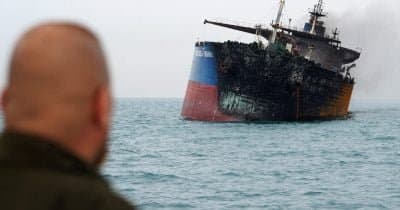
The eight tankers under sanction represent a critical part of Iran's shadow fleet that aims to evade international restrictions. Four of the targeted companies are Hong Kong-based, four operate from the UAE, and one is in Oman. These entities have been instrumental in moving Iranian crude despite the global embargo. This move follows earlier sanctions in 2026 that included Chinese refineries processing Iranian oil.
Crypto sanctions add a new layer of pressure
In mid-July 2026, the Treasury targeted digital assets by freezing wallets linked to the Central Bank of Iran. The four crypto platforms hit Nobitex, Bitpin, Ramzinex, and Wallex are accused of enabling transactions for sanctioned parties. These actions cut off Tehran’s alternative financial routes after the traditional banking system increasingly refused their transactions.
These sanctions come amid rising tensions in the Strait of Hormuz, where Iran’s Islamic Revolutionary Guard Corps recently seized three vessels. The strait is a vital chokepoint handling about 20% of the world’s oil supply, making the timing of these events particularly significant.
This information is for educational purposes and does not constitute financial advice.