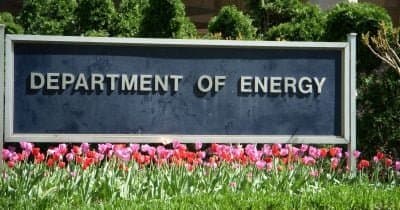
The US Department of Energy has announced the Paducah Gaseous Diffusion Plant in Kentucky as its next AI data center hub. The facility, which enriched uranium from 1952 until 2013, is set for a new life focusing on advanced computing backed by natural gas power generation. Energy Secretary Chris Wright highlighted the redevelopment as a major boost to local employment and a way to strengthen grid stability in the region.
Paducah's selection stems from its existing energy and communication infrastructure: solid electrical connections, access to natural gas pipelines, and established fiber optic networks. This foundation reduces costs and accelerates timelines compared to building fresh facilities from scratch. The DOE’s move follows a broader federal push to enhance AI capability through strategic use of government-owned sites.
In late 2025, the DOE invited private companies to propose long-term leases for developing and operating AI data centers in Paducah alongside three other locations Idaho, Tennessee, and South Carolina. Crucially, the project relies on private investment for construction and operation, with the government providing land and infrastructure support. This public-private partnership model fits with current US policies treating AI computational power as a component of national security rather than merely commercial business.
For crypto miners and other energy-intensive sectors, these developments highlight growing competition for power on key grids. The DOE's investment signals an increase in demand for reliable, large-scale compute infrastructure that can affect regional power availability.
The announcement sparked little immediate reaction in energy markets, reflecting expectations that the project will unfold over several years without disrupting current conditions.
This material is for informational purposes only and does not constitute financial advice.