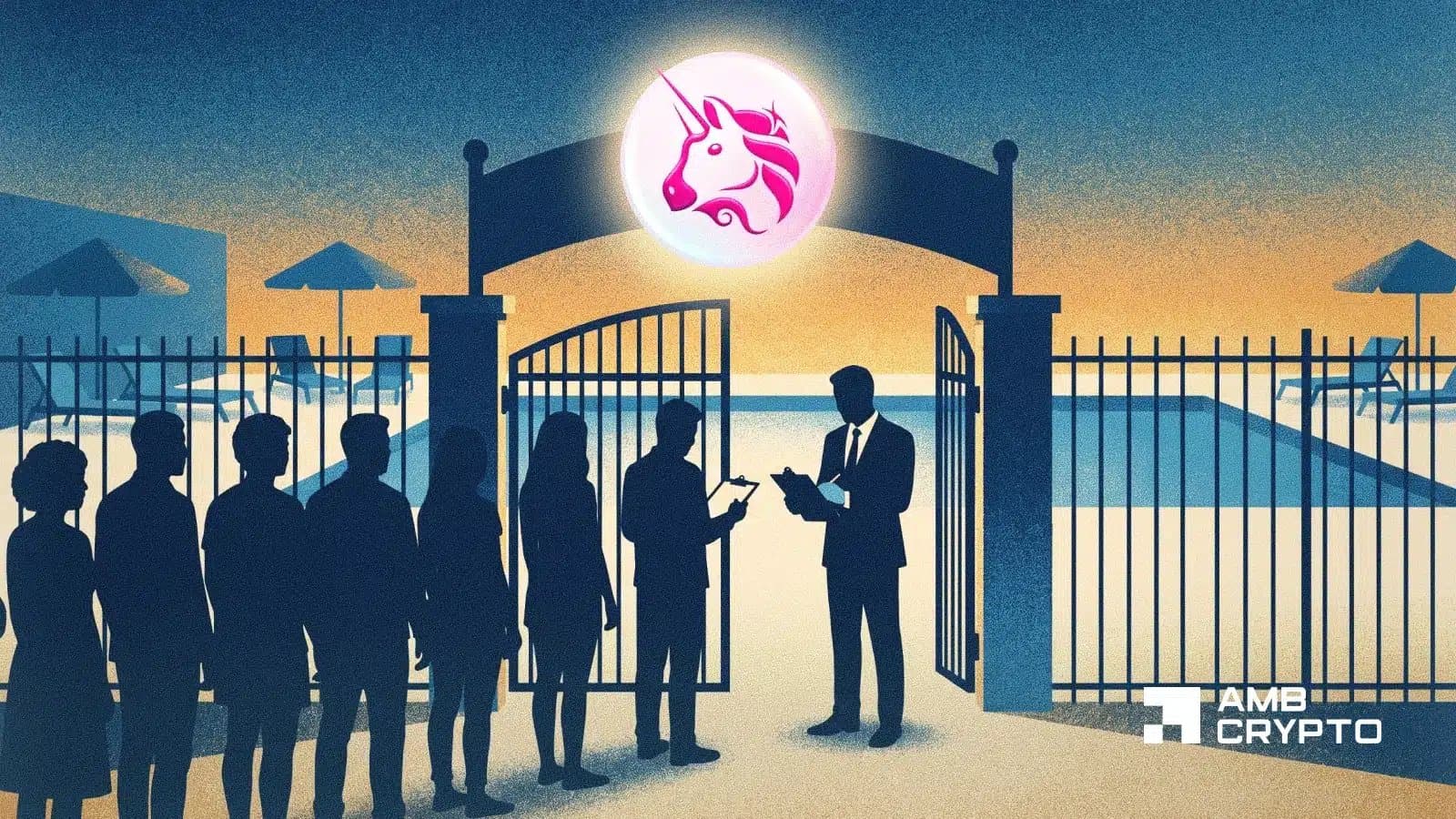
Uniswap kicked off the launch of its first permissioned pools, stepping into regulated token trading with partners like Securitize, Superstate, and Dowgo on its V4 platform.
CEO Hayden Adams explained the move aims to bring regulated assets onto the blockchain, enabling certain tokenized securities and ETFs to be traded under strict compliance.
The new pools limit swaps and liquidity access to an allowlist of approved wallets, automatically blocking any sanctioned parties, which introduces a measure of centralization to meet regulatory demands.
The tokenized asset market currently stands around $36 billion but is projected to explode to $11 trillion within four years. The SEC’s tech-neutral approach means traditional disclosure rules apply even onchain, creating a tough regulatory environment.
Traditional finance players, including firms like Citadel Securities, insist that legal responsibilities must cover all tokenized security handlers, custodial or not. Uniswap’s permissioned pools offer a way to tap into this booming sector while staying compliant.
Uniswap has already collected $5.6 billion in protocol fees, mostly routed to liquidity providers, but its own revenue remains around $27 million. Introducing more protocol fees shared with LPs could boost revenue and support ongoing UNI buybacks.
So far in 2026, about 6 to 8 million UNI tokens have been burned, averaging 1 million tokens monthly, which might strengthen the token’s value.
UNI’s recent rally, helped by momentum from the Robinhood Chain launch, pushed it up nearly 61% since June lows, with the token trading at $3.84 and holding above the 200-day moving average.
This technical position suggests UNI could climb to around $4.17, offering roughly 12% upside if the bullish trend holds. A drop below the 200-day moving average at $3.6, however, might trigger a pullback toward $3.3.