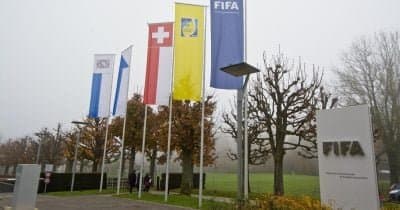
FIFA’s plan to raise $4.2 billion by selling minority stakes in its new commercial arm, FIFA Forward Enterprise (FFE), has drawn sharp criticism from UK Prime Minister Andy Burnham. The proposed deal values the entity at around $20 billion, aiming to funnel funds into grassroots and women’s football development worldwide. Burnham fired a strong warning: football isn’t a commodity for investors, and the World Cup shouldn’t be treated as a product.
FIFA’s Ambitious Fundraising Faces Backlash
Announced in late July 2026 by FIFA President Gianni Infantino, the FFE initiative intends to securitize football’s commercial rights broadcasting, sponsorships, and more while holding regulatory control under FIFA’s umbrella. Member federations have until mid-September to weigh these funding options. But resistance is mounting. UEFA is flirting with boycott threats, and political leaders like Burnham are openly calling for Infantino’s removal. The tension exposes fears over football’s future as a public passion versus a revenue-driven business.
The Stakes of Opening Football to Institutional Capital
The $4.2 billion target, if met, would rank among the largest capital injections in sports history, on par with some massive private deals. Yet this flood of external money comes with strings attached. Investors seek returns, potentially clashing with the sport’s competitive integrity. It recalls the European Super League fiasco of 2021, when a similar commercialization attempt collapsed amid public and institutional pushback. The FFE deal raises fundamental questions about balancing financial growth and the soul of the game.
Such commercialization developments also resonate with digital asset and crypto investors, as the global sports industry increasingly intersects with emerging financial technologies and capital structures.
This material is for informational purposes only and does not constitute financial advice.