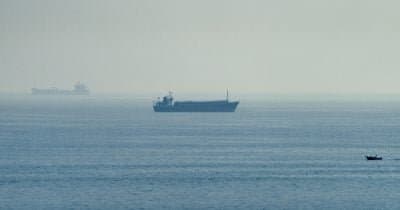
Iran’s decision to close the Strait of Hormuz at the end of February 2026 continues to rattle global markets and now threatens to push the UK economy toward recession. This critical oil passage, which handles about 20% of the world’s oil and LNG shipments, remains largely blocked. Shipping data through mid-2026 shows a staggering 90% drop in normal transit volumes, maintaining intense pressure on energy delivery worldwide.
Since the blockade began, Brent crude prices have surged between 10% and 13%. Refined oil products are now nearing $200 per barrel in affected areas as of July. These soaring prices hit the UK hard, where energy imports make up a significant part of the economy’s cost structure. EY forecasts that under these strained conditions, UK GDP growth could sink to just 0.3% in 2026 if the strait stays closed by year-end.
How the Strait’s Closure Squeezes the UK
Energy costs don’t stop at the pump. They ripple through transport and food prices, pushing wage demands higher. The UK has fought hard to pull inflation down over the past two years, but a prolonged energy shock risks unraveling those gains. This creates headaches for the Bank of England, which must juggle interest rate decisions amid stubborn inflation and slowing growth.
Market watchers see a GDP growth slump to 0.3% as a red flag. Equity analysts adjust earnings expectations lower, while bond traders brace for recession risks. If the UK enters stagflation a rare and cruel mix of stagnation and inflation the pound tends to weaken. That depreciation then makes energy imports costlier in local currency, fueling a vicious inflation cycle.
Warnings from the UK Maritime Trade Operations in July underline that the strait’s closure shows no sign of ending soon. The ongoing disruption keeps traders on edge, with far-reaching consequences for the UK and other exposed regions. This scenario has played out in the past, with Brent crude sharply reacting to geopolitical shifts, reinforcing the volatile nature of this bottleneck.
This content is for informational purposes only and does not constitute financial advice.