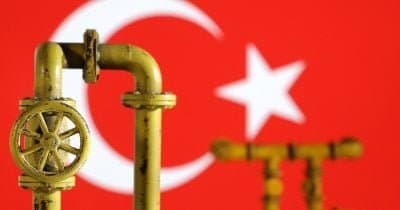
Turkey and Iraq have reached an agreement to extend their oil pipeline contract for another year, preventing a possible disruption in oil exports. The extension of the Kirkuk-Ceyhan pipeline deal, confirmed by Turkish Energy Minister Alparslan Bayraktar, will keep hundreds of thousands of barrels of Iraqi crude flowing daily to Turkey’s Mediterranean port of Ceyhan.
The original deal, expiring on July 27, faced stiff negotiations. Turkey initially sought a new framework rather than a simple extension. Meanwhile, Iraq’s state oil marketer SOMO, under Ali Nizar, pushed for at least a one-year extension to allow time for more full talks. This compromise prevailed, ensuring the pipeline remains operational while both sides prepare for longer-term agreements.
Strategic Importance of the Pipeline
The Kirkuk-Ceyhan pipeline is vital for Iraq’s crude exports, moving between 200,000 and 750,000 barrels per day depending on capacity. It offers Iraq a key Mediterranean outlet that bypasses the Persian Gulf and chokepoints like the Strait of Hormuz. Any interruption to this route could have sent shockwaves through global oil markets, potentially driving prices higher by cutting off a significant supply source.
For investors and energy traders, this extension reduces the risk of sudden supply shocks from this corridor for at least the next 12 months. It also buys time to negotiate future pipeline capacity, alternative transit routes, and broader terms of cooperation between Turkey and Iraq.
This material is for informational purposes and does not constitute financial advice.