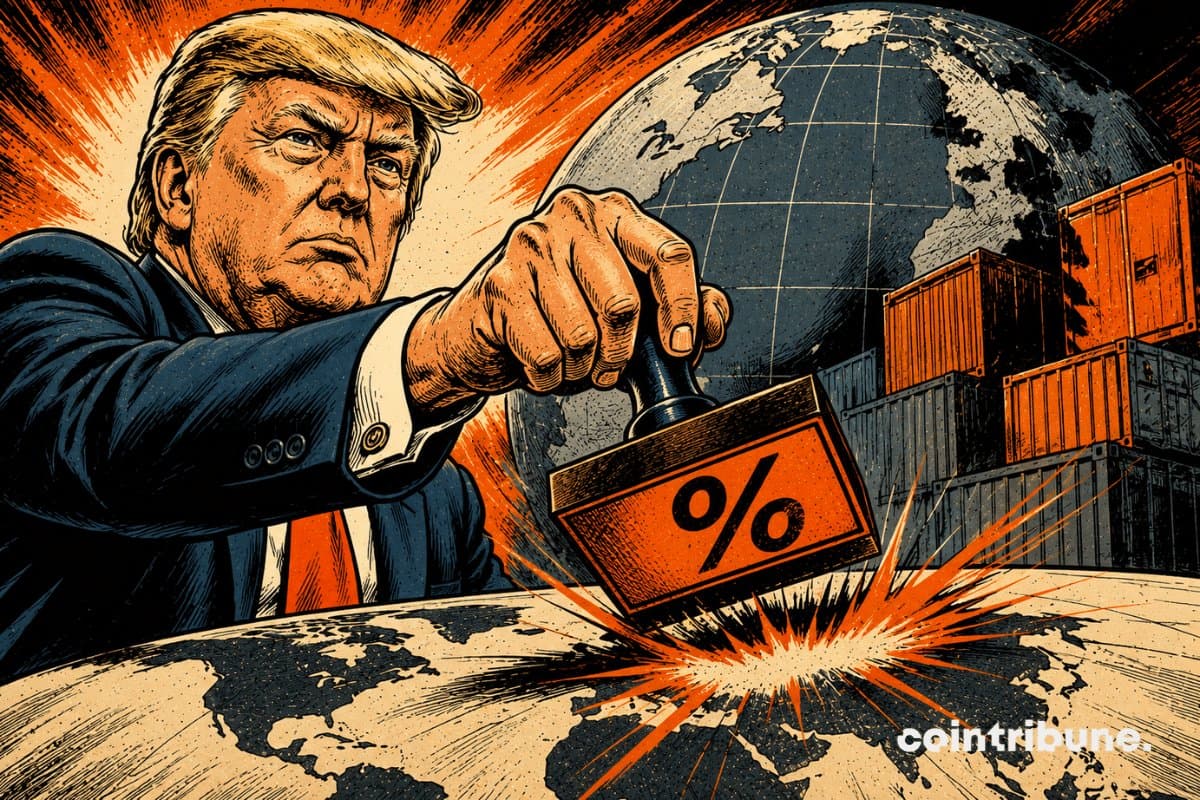
On Friday, Donald Trump announced a fresh round of tariffs impacting about sixty nations, following the expiration of temporary taxes introduced 150 days ago. This move revives trade tensions just as markets were hoping for relief.
The new tariffs replace the earlier 10% surcharges and vary by country: a 10% tax applies to partners with what the U.S. considers incomplete legislation, including the European Union, the UK, Mexico, and Canada. A higher 12.5% tariff hits around forty other countries such as China, Japan, Switzerland, and South Korea.
Energy and raw materials not produced domestically remain exempt from these duties. The rationale behind the tariffs lies in a White House investigation led by trade representative Jamieson Greer, aiming to exclude goods made with forced labor from American supply chains. Greer emphasized on CNN that allowing such imports distorts fair competition, calling for equal protections across all trading partners.
This approach is seen as a continuation of pressure on trading partners to comply with existing agreements and potentially negotiate new ones. International trade lawyer Greta Peisch noted that varying tariffs serve as a tool to maintain use over global partners.
China has condemned the tariffs as unilateral and damaging to global trade, with Australia, New Zealand, and Japan also criticizing the measures. Brussels, meanwhile, acknowledged the tariffs remain below 15%, in line with last year's Turnberry agreement.