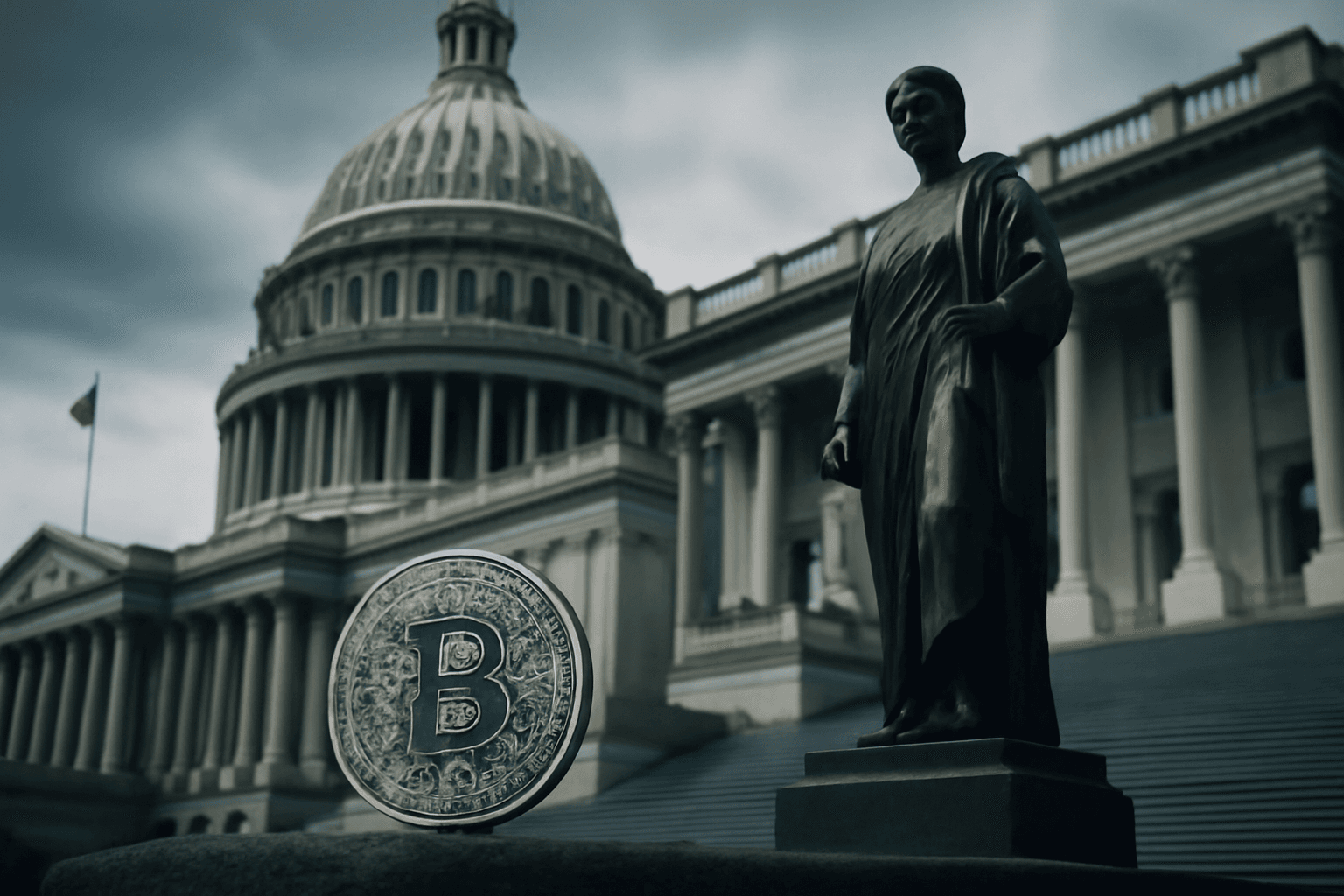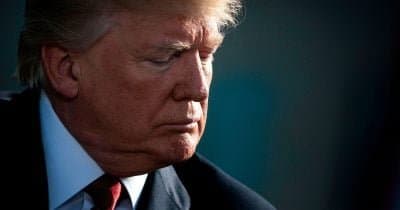
President Donald Trump is nearing a decision that could trigger the largest US military strike against Iran in history. This looming move has already started shaking financial markets, with over $1 billion in Iranian-linked crypto assets frozen and oil prices surging beyond $100 per barrel.
Crypto Sanctions and Market Turmoil
The US Treasury Department, under Secretary Scott Bessent, has been aggressively targeting Iran’s digital finance channels. The sanctions against Nobitex, Iran’s biggest crypto exchange handling more than half of the country’s digital transactions, have dealt a significant blow. In total, more than $1 billion in assets linked to Iran have been seized or frozen. This campaign aims to sever Iran’s ability to bypass conventional sanctions through cryptocurrency.
Tether has also joined the effort, freezing accounts tied to Iranian interests, tightening the financial noose further. Meanwhile, cryptocurrencies like Bitcoin have become highly volatile, swinging with each new update on the US-Iran tensions. The rise in oil prices to over $100 a barrel only complicates the picture, fueling inflation fears and unsettling markets that already react nervously to geopolitical risks.
Strategic Moves Behind the Scenes
Michael Doran, a Middle East strategist at the Hudson Institute, points out that Trump’s potential strike decision comes with a complex backdrop. Military readiness, economic sanctions, and internal political calculations are converging. Recent Houthi attacks have provided Washington with a justification to ramp up pressure on Iran. The stakes are high, as any conflict escalation could send shockwaves through energy markets and beyond.
The ongoing situation demands close attention, especially as oil prices spike amid geopolitical uncertainty. This instability could complicate central bank policies and influence liquidity for risk assets including crypto. More context on the regional tensions can be found in discussions around Saudi concerns over Iran strikes.
This content is for informational purposes and is not financial advice.