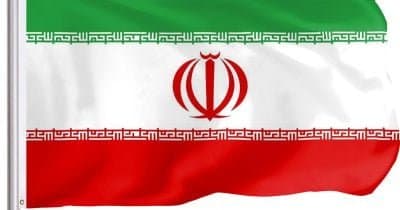
Tether has frozen $131 million in USDT linked to wallets sanctioned for their role in Iran’s controversial maritime toll scheme in the Strait of Hormuz. This move follows sanctions by the US Treasury against two Iranian companies accused of extracting transit fees from commercial vessels using Bitcoin and other cryptocurrencies to dodge Western financial restrictions.
Sanctions Target Iran’s Crypto-Enabled Extortion Operation
The US Treasury’s Office of Foreign Assets Control (OFAC) designated Persian Gulf Marine Insurance Company and HormuzSafe Marine Services Authority for operating a compulsory insurance and toll system set up by Iran’s Revolutionary Guard Corps (IRGC). Ships passing through the Strait, a vital chokepoint for nearly 20% of global oil shipments, were forced to pay approximately $1 per barrel as a fee. Payments in Bitcoin and other digital assets allowed Iran to circumvent sanctions and generate hard currency despite its economic crisis marked by triple-digit inflation.
Implications for Crypto Compliance and Regional Stability
The Treasury Secretary Scott Bessent highlighted Iran’s desperation for revenue amid economic collapse, directly linking the toll scheme to the regime’s financial struggles. Tether’s swift freezing of $131 million in tethered USDT wallets involved in this network marks a significant escalation in enforcement against crypto-facilitated sanctions evasion. By cutting off key cryptocurrency pathways used by entities linked to the IRGC, US regulators aim to disrupt Iran’s ability to use digital assets for illicit revenue.
The sanctioned firms, developed with Iran’s Ministry of Economy, offer services including insurance and security for ships navigating the strait under the guise of commercial operations but effectively functioning as a state-backed extortion racket. This case shows growing scrutiny on how digital currencies intersect with geopolitical conflicts and sanctions compliance. It also raises questions about the risks crypto platforms face when processing payments linked to sanctioned actors.
This content is for informational purposes and does not constitute financial advice.