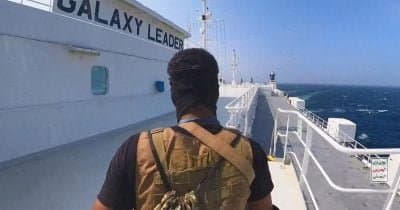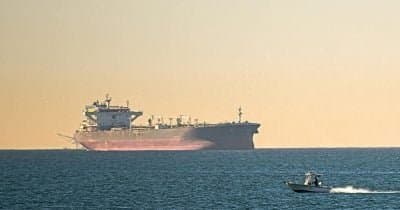
Near Oman’s coast northeast of Lima, a tanker was hit by an unidentified projectile, leaving it unable to control its engine. The UK Maritime Trade Operations reported the attack, highlighting serious damage to the ship’s engine room. This is the latest in a string of tense incidents disrupting one of the world’s busiest and most strategically important waterways.
The Strait of Hormuz is a narrow channel linking the Persian Gulf to the Arabian Sea, vital for transporting a large chunk of global oil and gas. Even small disturbances here ripple through global energy markets, creating uncertainty and risk for traders and nations alike. The exact source of the projectile remains a mystery and authorities are working to understand the cause and intent behind the strike.
Recent weeks have already been fraught with similar attacks and threats, raising fears about escalating maritime risks. Market participants are pricing in ongoing instability, making any return to normal shipping traffic before the end of September increasingly unlikely. Watching closely now are investors and governments monitoring statements from regional players like Iran, whose reactions could decisively affect the situation. The evolving security dynamics in the area impact not only energy flows but also broader geopolitical relations.
Heightened vigilance continues as the UKMTO and other agencies update threat levels. Shipping companies may need to reroute or increase security measures, which adds cost and delays. For traders and consumers, these developments could mean volatile energy prices and supply concerns in the near term.
This content is for informational purposes and does not constitute financial advice.