Strategy moved another 1,030 Bitcoin worth roughly $66 million this week. On-chain watchers caught the transfer, though the company hasn't said whether it was a sale or just moving coins between wallets. Either way, people are watching closely.
The movement follows Strategy's earlier announcement that it sold 1,638 BTC at an average price of $63,957, bringing in about $104.7 million. That sale brought the company's Bitcoin stash down to 842,138 coins, worth over $52 billion at current prices. Both moves happened within days of each other, so naturally the market is wondering if there's more selling ahead.
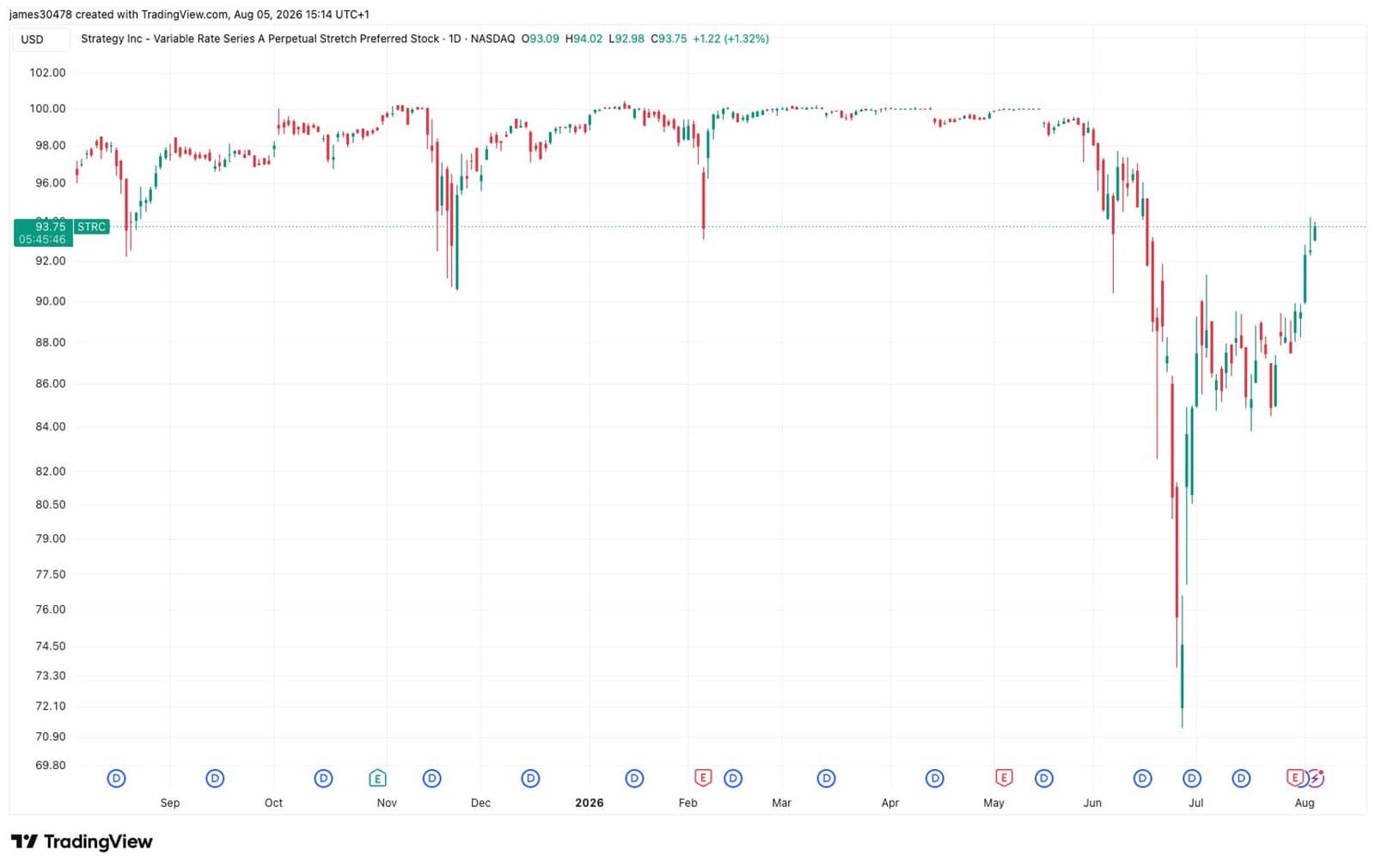
The company used proceeds from the sale to cover preferred dividend payments and buybacks of its own shares. The total bill for those obligations came to roughly $400.7 million. Here's the thing, though. Strategy actually sold those coins below what it paid for them on average the company's average buy-in was $75,419 per Bitcoin. That's a pretty significant gap, and it raises questions about why the company would unload at a loss.
Saylor pushes back on the criticism
Michael Saylor, who runs Strategy as executive chairman, went public with a response to people questioning these sales. He made a key distinction: Strategy as a company doesn't operate under a "never sell" policy, even though Saylor himself has been vocal about his personal long-term Bitcoin conviction. He said the company will continue to be a net buyer of Bitcoin over time, meaning purchases should outweigh sales when you look at the bigger picture.
That matters because Strategy has become one of the largest corporate Bitcoin holders. The company has built up its treasury position over years, and every transaction gets scrutinized by traders and analysts. Selling below average cost during a period when Bitcoin is trading around $64,000 naturally sparks debate about whether the company sees weakness ahead or simply needed cash for its obligations.
Saylor's message was essentially this: don't confuse the company's treasury management with his personal investment thesis. One is about running a business with dividend commitments and shareholder obligations. The other is about long-term conviction in Bitcoin as an asset class. Strategy can do both, and according to Saylor, it will keep buying more Bitcoin than it sells going forward.
This is informational content about market activity and corporate treasury moves. It's not investment advice, and you should do your own research before making any decisions about Bitcoin or Strategy's securities.