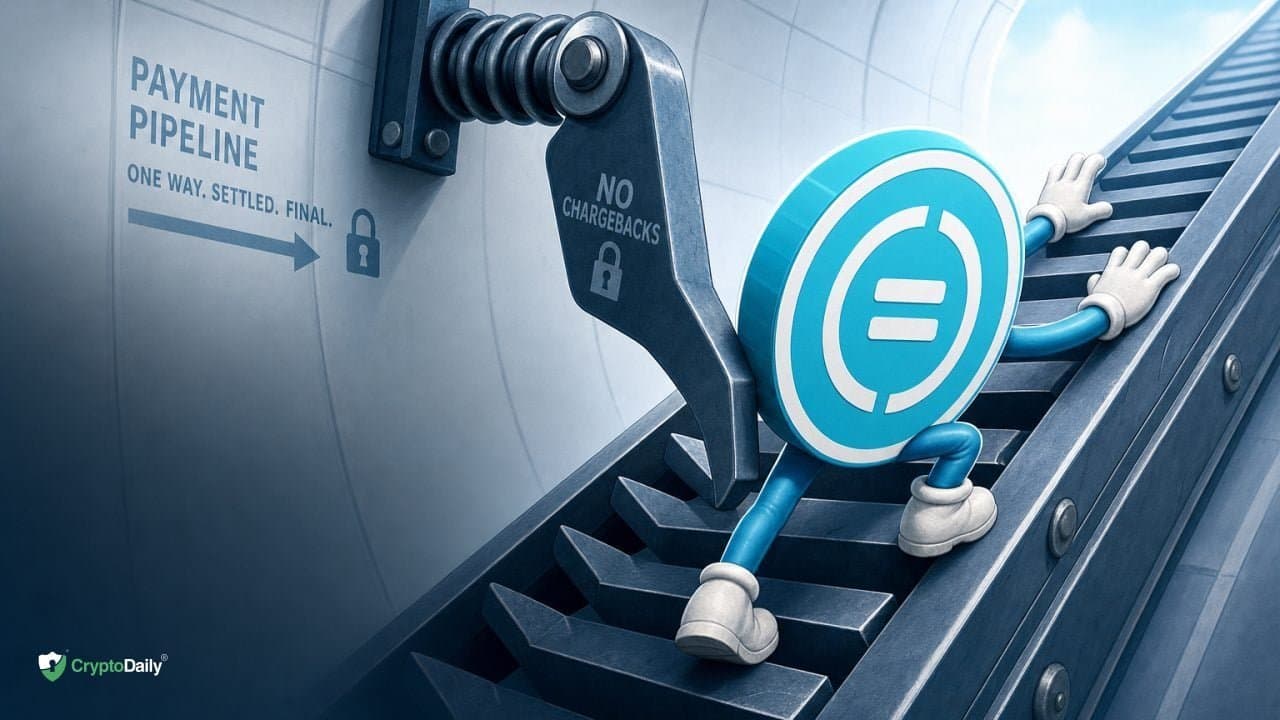
When a payment using stablecoins goes wrong, you cannot simply reverse it like you would with a credit card. Onchain transfers settle instantly once confirmed by the blockchain network, making transactions irreversible by design. This gives stablecoins speed and access worldwide but removes the safety net of chargebacks.
Why chargebacks don’t exist for stablecoins
Credit card networks rely on intermediaries such as issuers and acquiring banks who can roll back transactions if disputes arise. This system allows consumers to recover funds after fraudulent or incorrect purchases. Blockchains, however, operate as decentralized networks that validate and finalize transfers without a central authority to reverse them. Once a stablecoin payment hits the blockchain, it is recorded permanently. Unlike cards, stablecoin issuers cannot undo transactions; the closest they get is freezing assets under exceptional circumstances, mainly related to legal compliance or court orders.
What this means for merchants and consumers
As stablecoin use grows, more merchants are accepting coins like USDC and USDT. But buyers should not assume they have the same protection as with cards. Refunds and dispute resolutions have to be managed offchain or through smart contracts programmed for those cases. Businesses must implement strict operational measures such as using invoices, maintaining allowlists, and sending small test transactions before larger payments. These precautions minimize risks from errors like incorrect addresses or phishing attempts that can irreversibly drain funds.
Regulatory changes coming in 2026 primarily focus on protecting the reserves backing stablecoins and enforcing issuer responsibilities. But they do not introduce any right to reverse onchain payments. So buyers and sellers alike need to plan carefully how they handle refunds and disputes.
This article provides information only and does not constitute financial advice.