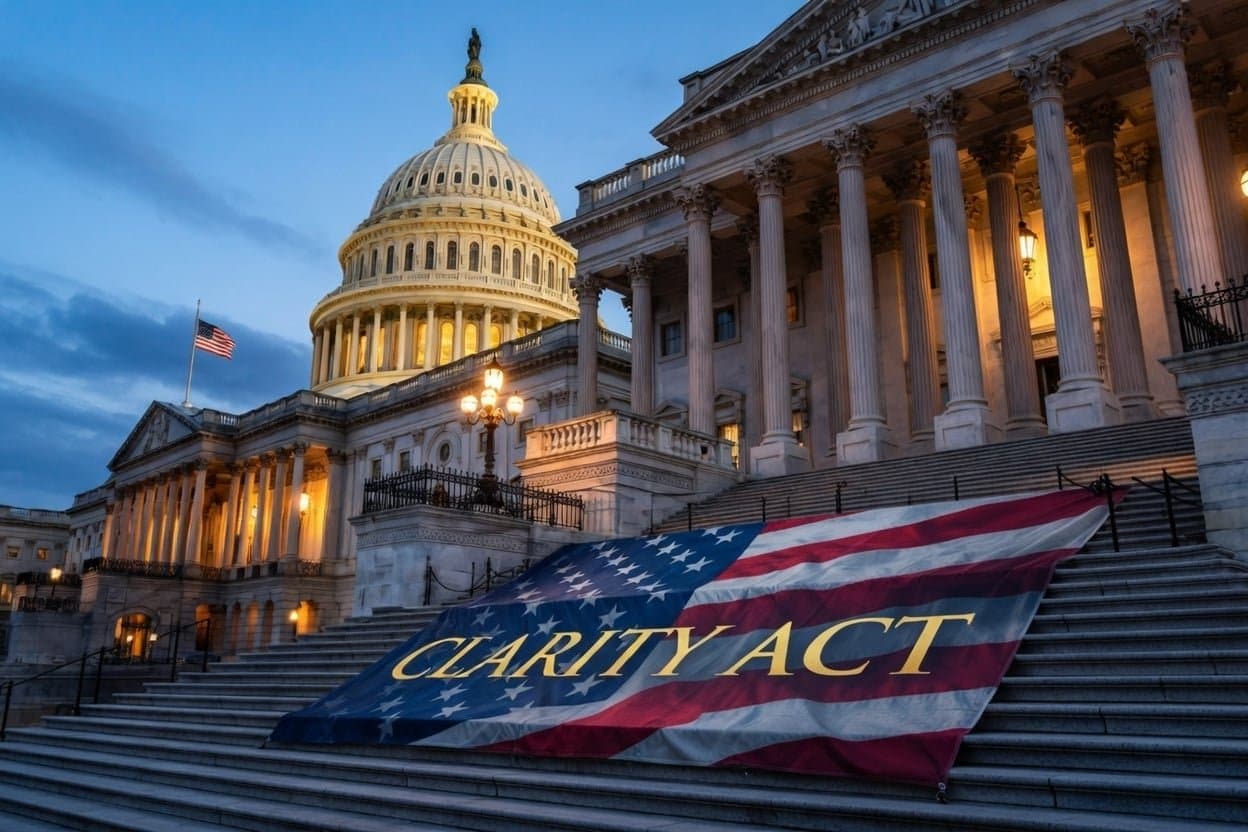
Senators unveiled a new 600-page version of the CLARITY Act this week, aiming to set federal rules for the digital asset market. The revised draft, a joint effort from the Senate Banking and Agriculture committees, introduces fresh language on ethics. However, the bill's chance of passing in 2026 slipped to just 30%, down from 50%, according to Galaxy Research.
Republicans argue the legislation offers clearer guidelines for crypto trading and digital commodities. Senator Cynthia Lummis emphasized the importance of moving forward, warning this may be the last real opportunity to pass such a bill for years. Senate Agriculture Chair John Boozman praised the proposal, highlighting the consumer protections and market safeguards it includes.
Democrats Push Back on Ethics and Enforcement
Despite incorporating an ethics agreement negotiated by Lummis, Senator Bernie Moreno, and the White House, the bill still struggles to win over several key Democrats. A coalition of senators, including Catherine Cortez Masto and Cory Booker, demanded stronger rules covering ethics, consumer rights, illicit finance, conflicts of interest, and market integrity before they offer support.
The enforcement mechanism in the bill remains a sticking point. Democrats question whether the bill grants sufficient authority beyond federal agencies, while Republicans press to advance the legislation despite these reservations.
Financial groups are divided as well. Goldman Sachs CEO David Solomon voiced support for progress on the CLARITY Act, whereas the Bank Policy Institute criticized it for failing to address concerns about Main Street credit, illicit finance, and national security.
The Senate needs to secure 60 votes to bring the bill to the floor, putting bipartisan cooperation at the heart of the legislative battle as the August recess approaches. This tense environment mirrors previous hurdles faced by crypto regulation efforts in the Senate.