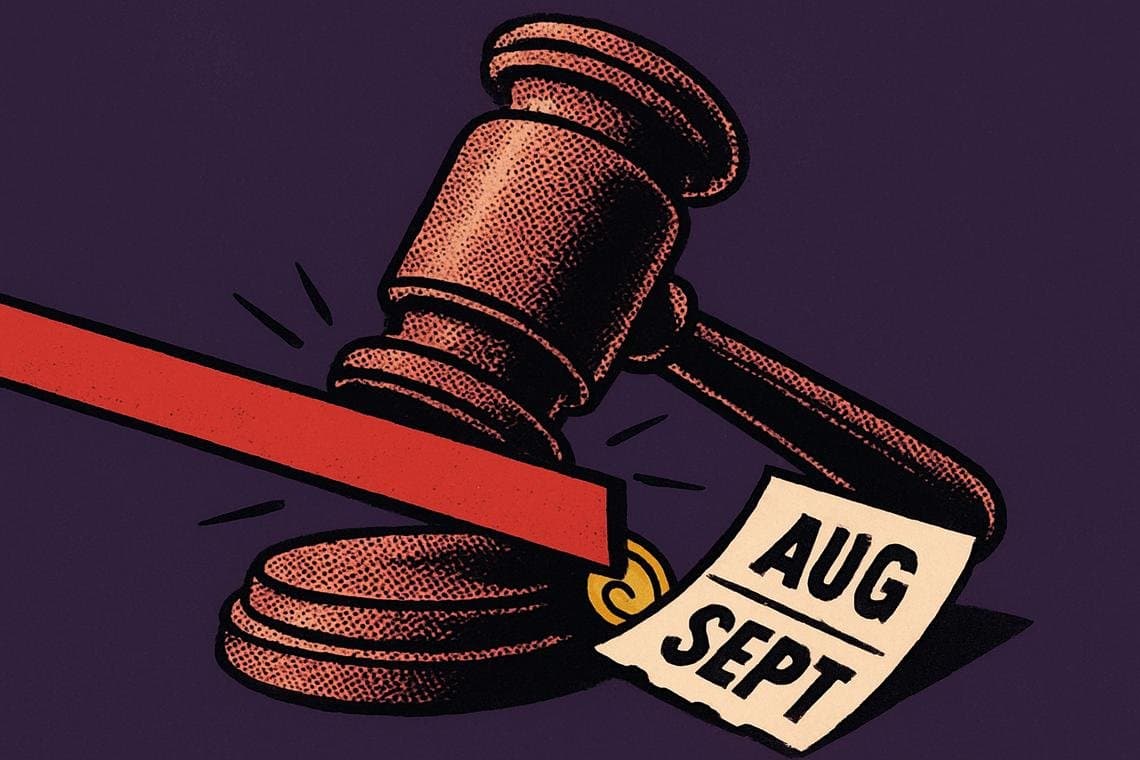
The U.S. Senate faces a critical deadline on August 8 to pass the Digital Asset Market Clarity Act, a bill that could reshape cryptocurrency oversight. However, the momentum has stalled, and the chamber's leadership is prioritizing other legislative matters instead.
Despite passing the Senate Banking Committee with a 15 9 vote, the Clarity Act has yet to reach the Senate floor for a full vote. Overcoming the filibuster requires 60 votes, a hurdle supporters haven't cleared. Meanwhile, Majority Leader John Thune is focusing on a package of federal nominations and a Russia sanctions bill honoring the late Senator Lindsey Graham, whose funeral this week demands attention.
Senate Procedure and Political Juggle
The Senate’s procedural rules hamper progress on the Clarity Act. Only one contested bill can advance at a time, meaning the act’s fate rests on the Russia sanctions legislation’s pace. Any delay there could push the crypto bill’s vote well past the recess beginning August 8, pushing the next realistic opportunity to September or later, when the political calendar becomes even more overcrowded.
In the background, bipartisan efforts continue behind closed doors. Senators Tillis and Gallego have reportedly reached a compromise on ethics provisions tied to the bill, though details remain confidential and await White House approval. The crypto industry watches closely as Coinbase’s CEO Brian Armstrong champions the cause on Capitol Hill, urging to "get CLARITY done," though the legislative calendar currently leaves the bill on hold.
The delay puts a dent in hopes for clear federal crypto rules anytime soon, forcing the market to navigate uncertainty. The stakes are high as the SEC could continue shaping regulations by default if Congress fails to act.
This information is for educational purposes only, not financial advice.