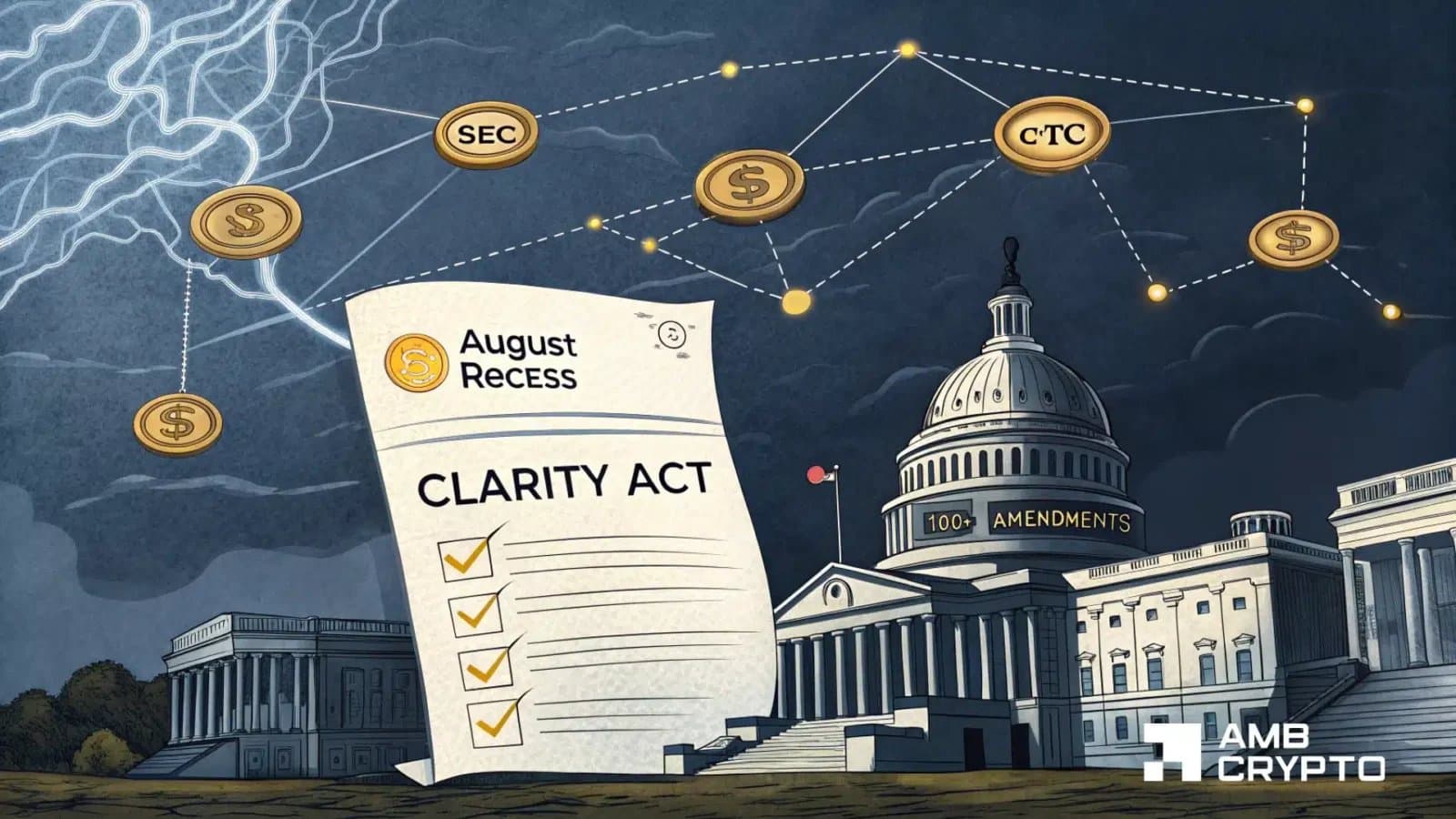
"This bill could redefine crypto regulation for years," said Senator Cynthia Lummis, a key advocate of the CLARITY Act. Yet, despite her optimism, the legislation remains stuck in the Senate after a year of intense debate and over 100 amendments. Originally passed by the House and Senate Banking Committee in July 2025 with strong bipartisan support, the Digital Asset Market Clarity Act aimed to create a solid legal framework for crypto firms. It would have introduced disclosure and registration mandates designed to prevent future administrations from reversing the current pro-crypto stance.
Fast forward to July 2026 and the bill has ballooned from 278 pages to 616 pages, weighed down by procedural delays and fierce opposition. Senator Elizabeth Warren has been a vocal critic, arguing that without strong measures to address corruption linked to former President Trump’s influence in the crypto space, the bill lacks purpose. Recent revisions sought to curb potential conflicts of interest by banning senior officials and their families from endorsing digital assets while in office. However, industry voices like the Bank Policy Institute continue to highlight missing safeguards, particularly regarding illicit financial flows and stablecoin yield restrictions.
Stablecoins have emerged as a focal point in the debate. Reeve Collins, Tether’s co-founder, and Maksym Sakharov, CEO of WeFi, emphasized their growing importance for smooth digital transactions across markets a critical component for businesses and consumers alike. Yet, the evolving bill does not fully satisfy all stakeholders, leaving its future uncertain. The Senate’s packed legislative schedule further compresses the timeline to pass the act, with a vote tentatively planned for early August. Any delays could push back the 180-day implementation window intended to bring regulatory clarity.
This prolonged stalemate contrasts sharply with other recent moves in the crypto sector, such as Coinbase’s new derivatives offerings and ongoing industry adjustments to regulation. Meanwhile, the battle over the CLARITY Act highlights how politics and policy intricacies can stall legislation that, if enacted, would profoundly impact the US crypto landscape.
This material is informational and not financial advice.