Senator James Lankford just signaled something most people missed. The Senate could cancel its August recess entirely if Congress doesn't finish its work by Friday. He didn't say it plainly, but the message was clear: we're staying in DC until the job is done.
What job exactly? Two things are piling up on the calendar. First, lawmakers need to pass a continuing resolution to prevent a government shutdown, keeping federal agencies funded while Congress sorts out the broader spending plans. Lankford called it a core duty of the chamber. Second, the Senate is working through more than 70 nominees submitted by President Trump, and confirming each one takes time.
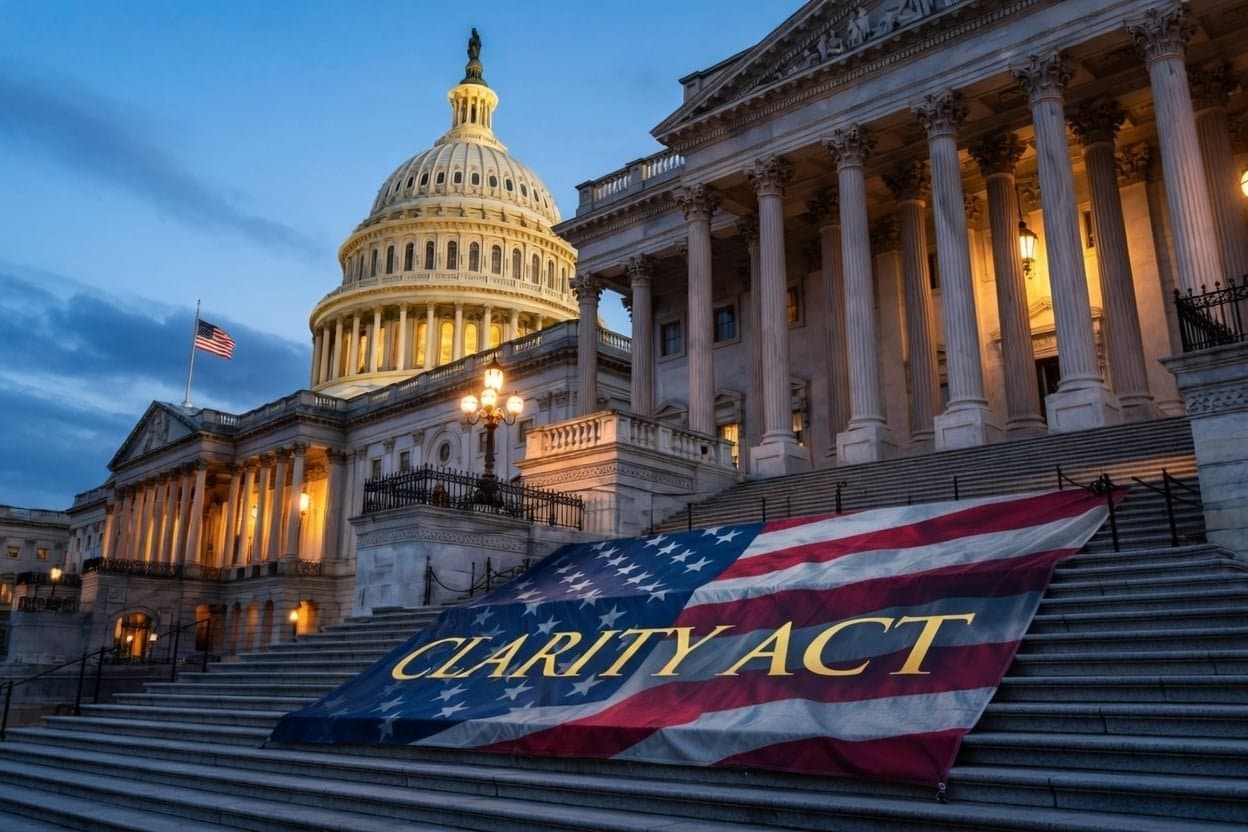
The immediate stakes feel mundane, but the timing matters for something else entirely. Congress has been slow-walking crypto legislation, and the CLARITY Act, which would establish federal rules for digital assets, has been in the queue for months. An extended Senate session would theoretically create space on the floor for bills like this one to move forward.
What a Longer Session Actually Changes
XRP holders have been watching the CLARITY Act closely. The bill would replace a patchwork of state and federal rules with something clearer, potentially allowing crypto businesses to operate with fewer regulatory headaches. But it's been stuck behind procedural delays and the Senate's other priorities.
Here's the reality, though. Lankford didn't mention digital asset legislation in his comments. He focused entirely on the shutdown prevention and nominee confirmations. That means an extended session is no guarantee the CLARITY Act gets a vote. Leadership would have to choose to make room for it, and right now that doesn't look like the priority.
The senator also mentioned reconciliation work that would fund the military, agriculture, and other government sectors. That process alone could consume weeks of floor time. So even if the Senate stays through August, crypto measures might still get pushed back into fall.
The Real Timeline Question
What Lankford effectively did was remove one barrier. Before his statement, the August recess looked like a hard stop, forcing lawmakers to complete everything or table it for later. Now, at least theoretically, there's flexibility. If lawmakers work through the month instead of taking a break, bills don't automatically die.
But that's different from saying the CLARITY Act will move. The Senate's leadership would need to prioritize it, and with 70+ Trump nominees waiting for confirmation votes and a potential shutdown looming, crypto legislation ranks lower on the urgency scale. XRP holders hoping for clarity on federal rules should probably expect this to stretch into the fall.
This article provides information about Senate scheduling and legislative developments. It is not financial advice and should not be taken as a recommendation to buy, sell, or trade any cryptocurrency or security.